

3rd Citizen Science Day 2025, which took place on 12.11.2025 in This year, the focus of the project was on bringing projects closer to the people. Slovenian projects and foreign examples of good practice in citizen science were presented, illustrating how the public can be actively involved in all stages of the research process, from conception to analysis of results. Finally, workshops for all ages on citizen science were held.
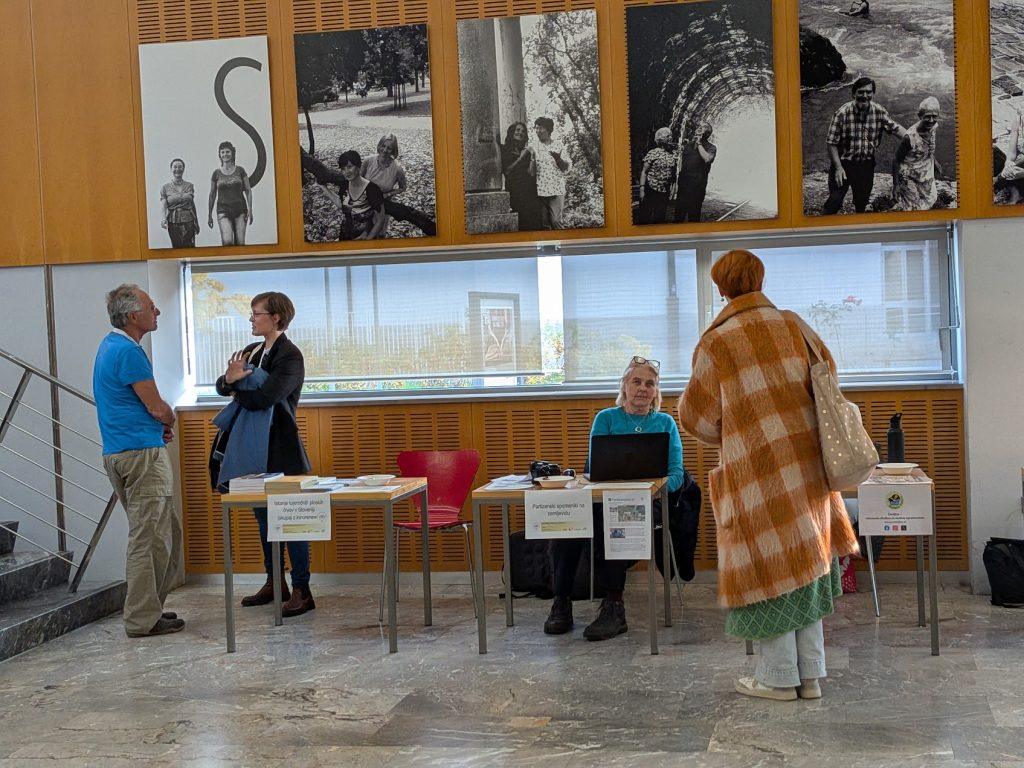
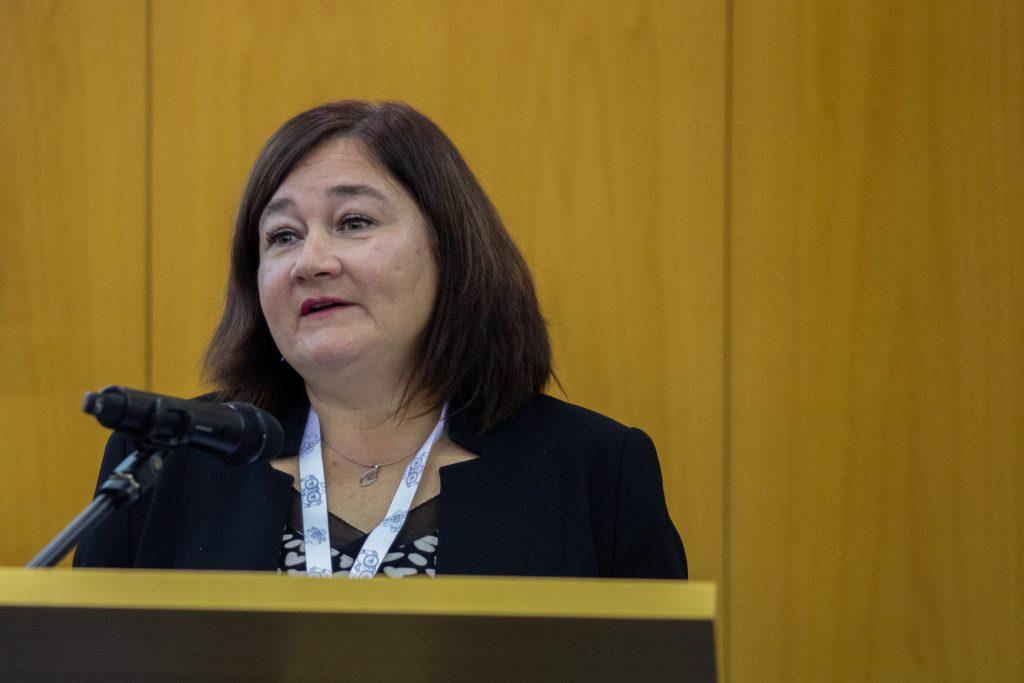
Citizen Science Day 2025 was primarily dedicated to exploring the opportunities that citizen science offers people - how they can take part in scientific projects, even if they are not professional scientists themselves. »We joined the Citizen Science Network in 2023 because we believe that citizen science opens up many opportunities to connect communities, science and public institutions such as libraries. The Goriška library receives around a thousand visitors a day, with different knowledge, attitudes, preferences and needs. And this is where we see countless opportunities for networking - we invite them to actively participate in our many projects.« addressed the guests Irena Škvarč, Director of the Franck Bevko Library in Goriška.
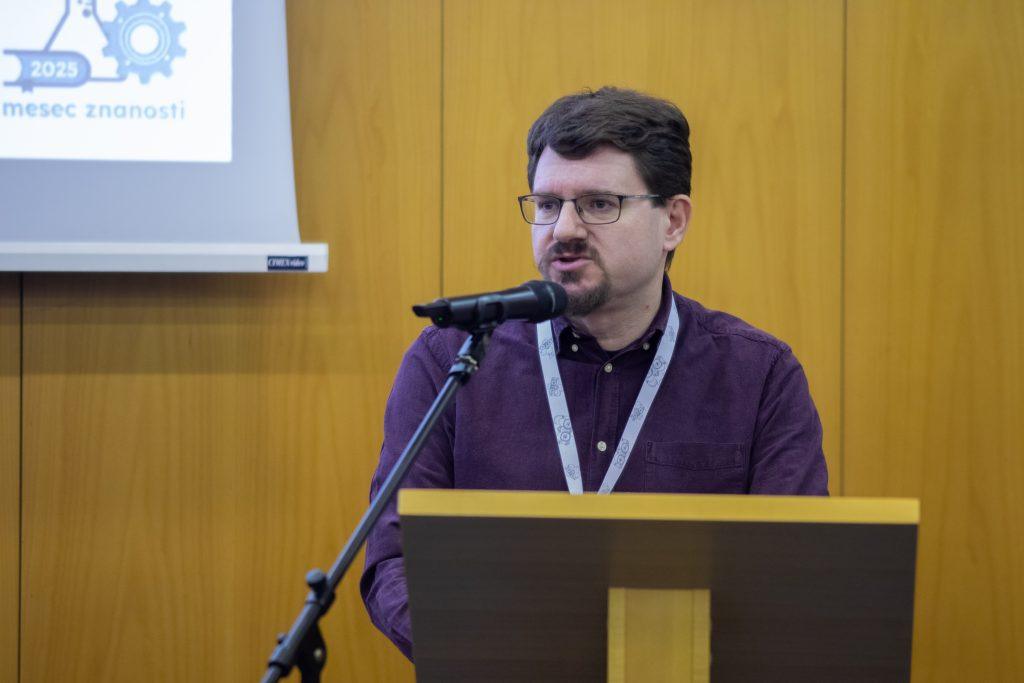
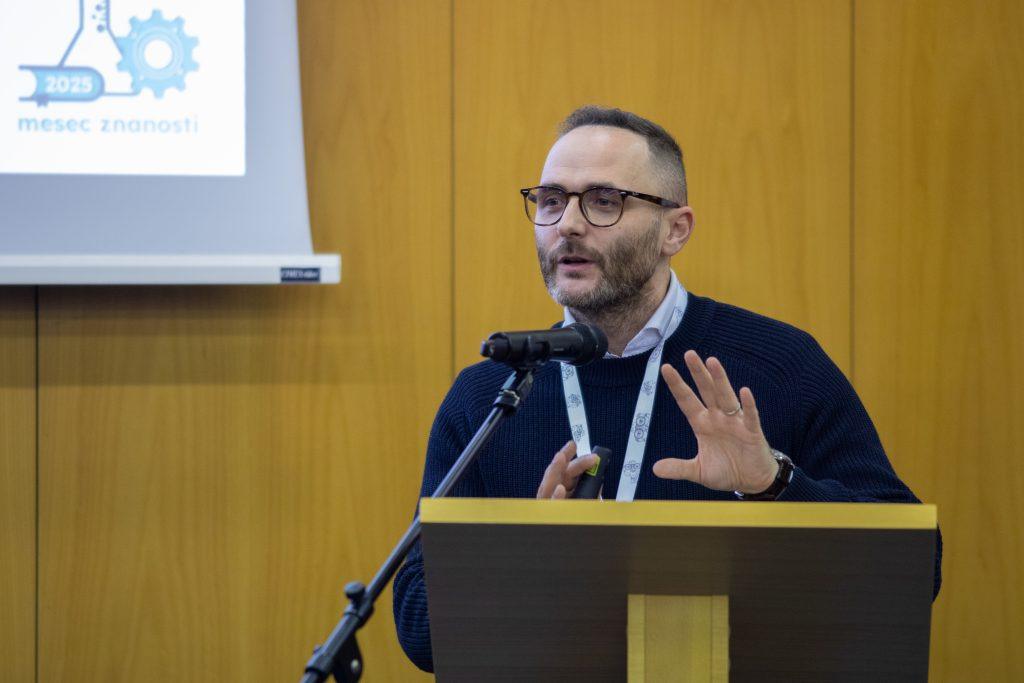
Citizen Science Network presented Mitja V. Iskrić from the Central Library of the University of Ljubljana: »We are an informal group - we have no contracts or statutes. We are a group of interested organisations and individuals with whom we share the same goal: to work in the field of citizen science, to promote citizen science and to learn about citizen science. We look for new citizen science projects and add them to our catalogue on citizenscience.si and obcanskaznanost.si, give citizen science presentations and organise training and workshops.« The event brought together organisations and individuals who are integrating citizen science into their projects to present concrete examples, share experiences, network and discuss the future of this rapidly evolving field. »There are 85 projects in the Citizen Science Network catalogue, which is a lot for our little Slovenia. Most of them are biological, but we want to cover all scientific disciplines, and the humanities and social sciences are also important to us.« explained Mr Iskrić.
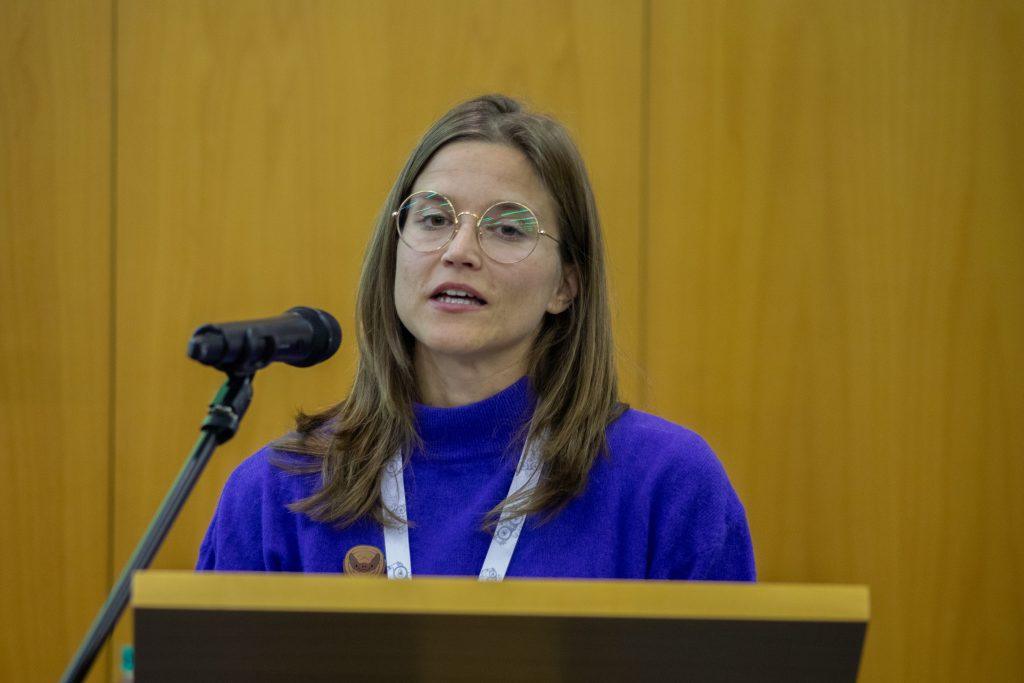
Among the foreign speakers, the first to take the stage was Giorgia Mocilnik, science communicator and enthusiastic supporter of citizen science, who Scienza in rete writes on participatory research and manages citizen science outreach. Her work combines creativity and public engagement to making science more accessible and collaborative. The next speaker was Dr. Tomislav Ivanjko, Associate Professor at the Department of Information Sciences, Faculty of Humanities and Social Sciences, University of Zagreb. His research focuses on the practical and theoretical aspects of the impact of new technologies on heritage and education, with particular emphasis on the use of social software, crowdsourcing, citizen science and gamification. Dr. K. Barbara Heinisch from BOKU University in Austria, where he plays a key role in the implementation of the Citizen Science Network Austria's citizen science strategy. She has coordinated two citizen science projects in linguistics focusing on Austrian dialects and is currently researching citizen science practices.
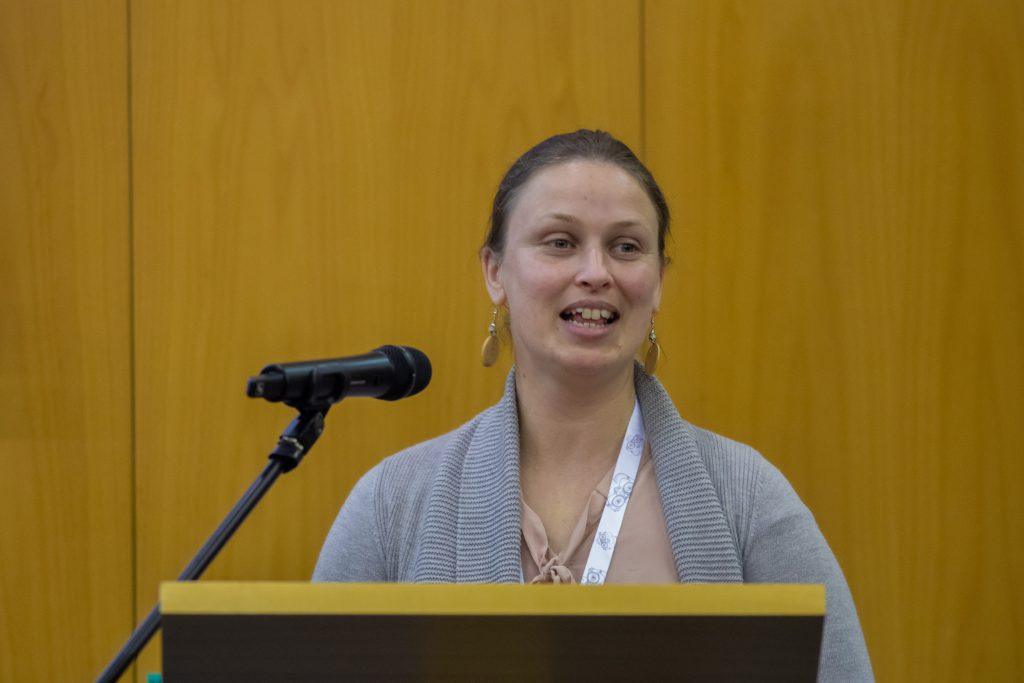
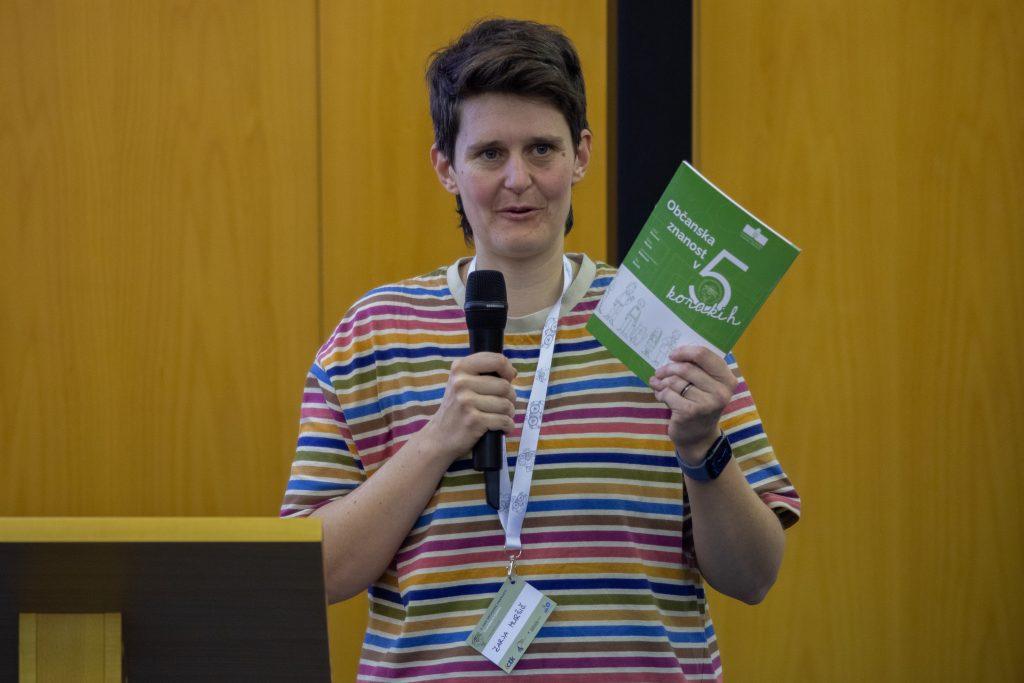
»It is important that citizen science follows the approach of science and all the steps of science and is therefore reliable and verifiable. The 5-Step Citizen Science Handbook makes this possible - it is like a workbook that teaches how to implement citizen science. It is also suitable for those who may not be proficient in the scientific approach and can be used to learn about how science works. It is very useful for scientists who want to move from their own narrow research to involving citizens - all people - in their research.« is a handbook Citizen Science in 5 steps: planning and designing projects, recently published by the University Library of Maribor, is available for interested freely accessible at the Central Technical Library of the University of Ljubljana, presented by Dr.. Zarja Muršič, citizen science ambassador. In order to be considered as research projects, citizen science projects must respect the fundamental principles of scientific research, such as honesty, objectivity, integrity, caution, sensitivity to peer criticism and judgement, respect for intellectual property, confidentiality, etc.
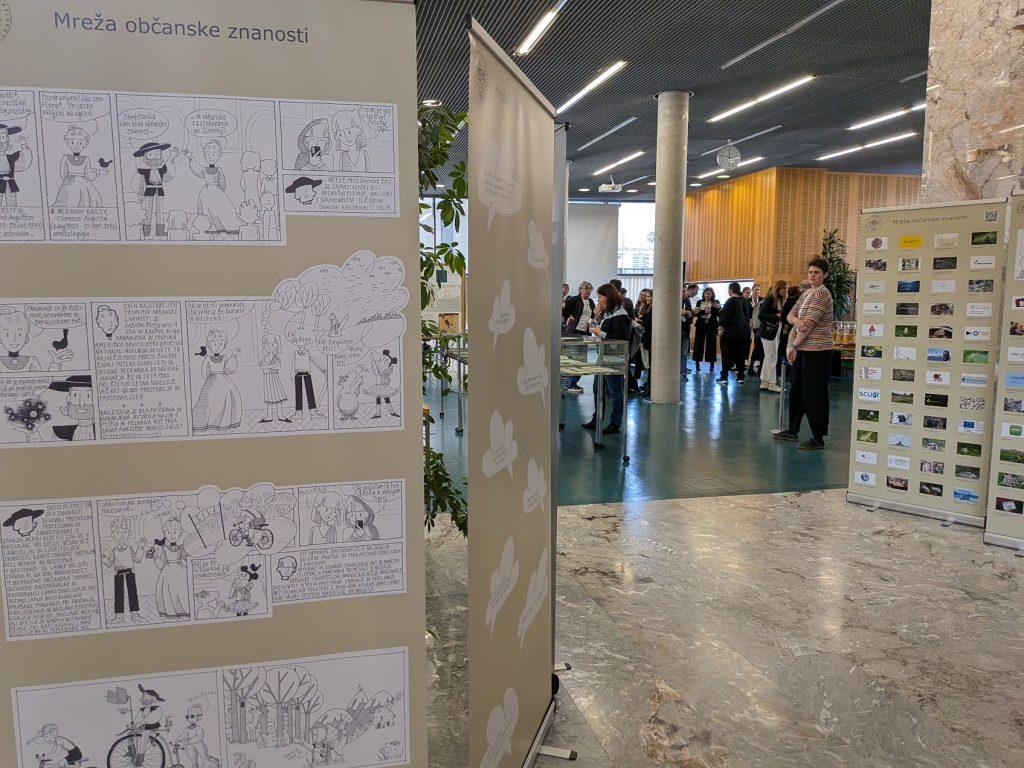
Find out more about the Citizen Science Network, active Slovenian citizen science projects and participating partners at: https://citizenscience.si/.

Portrait photos of speakers by Gašper Lešnik
