

News from the fields of technology and natural sciences | Issue 2, Volume 5, November 2026
A word from the editor
Autumn is a very busy time for the CTK, as this is when the new academic year begins. The library is visited by many students looking for textbooks, specialist books, journals and other materials related to natural sciences, technology, computing and engineering. CTK helps them with their studies, research and preparation for lectures, tutorials and exams.
What’s more, during the autumn months, students often spend a lot of time in the library, as it provides a quiet space for reading, writing seminar papers and group study. Whilst the leaves are falling outside and the days are getting shorter, our library is a cosy haven for anyone wishing to acquire new knowledge.
Our library is therefore not just a place where we borrow books, but also a space for socialising, collaborating and exchanging new ideas. Autumn represents a new beginning, new goals and an opportunity for personal and professional development.

Content:
News from around the world
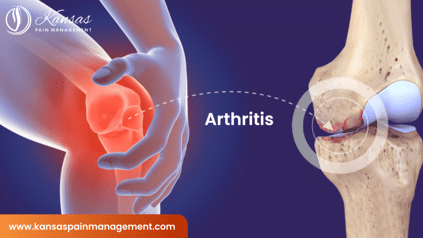
A natural compound could target the very root cause of rheumatoid arthritis
Scientists have discovered a natural plant compound that could offer a surprising new approach to combating rheumatoid arthritis.
A natural compound extracted from the medicinal plant Phellodendri cortex has proved surprisingly promising in the treatment of rheumatoid arthritis. In rats, it reduced joint swelling, protected cartilage and moderated the immune responses that cause chronic inflammation. Scientists have found that the compound works by targeting a specific protein and restoring balance to fatty acid metabolism, thereby revealing a previously under-explored approach to combating this disease.
Source: Higher Education Press, 21 October 2026
Find out more: sciencedirect.com
Prepared by: dr. Tjaša Urbič, univ. dipl. chem..,
inf. spec. in chemistry and natural sciences
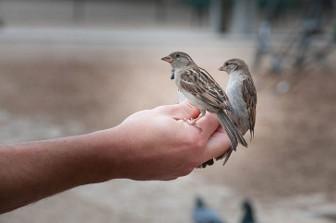
Birds are more afraid of women than men. Scientists do not know why
Scientists have discovered an unusual pattern in the behaviour of birds in urban environments. The experiment was carried out in five European countries and involved 37 species of birds. They found that birds always flew away sooner when approached by women than when approached by men. The researchers do not have a clear explanation for this difference, which raises interesting questions about how birds recognise and respond to people.
It appears that birds living in cities react differently to males and females, but scientists are struggling to explain why. An international research team has found that urban birds – including great tits, house sparrows and blackbirds – often fly away sooner when approached by a woman than when approached by a man. This surprising behaviour raises new questions about how birds perceive people in their surroundings. The study was conducted in five European countries, where male and female participants (matched for height and clothing) walked directly towards the birds in city parks and other green spaces.
Source: British Ecological Society, 22 October 2026
Find out more: besjournals.onlinelibrary.wiley.com
Prepared by: dr. Tjaša Urbič, univ. dipl. chem..,
inf. spec. in chemistry and natural sciences
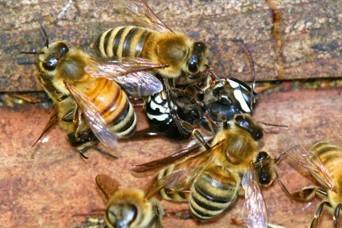
Honeybees intimidate other bees
Honeybees aggressively displace wild pollinators from flowers; scientists have observed how they chase away rivals and appropriate valuable food sources. New research warns that rising temperatures and growing honeybee populations could further intensify this competition, thereby threatening wild bees and other important pollinators.
Scientists have found that honeybees in the United Kingdom are fierce competitors for food. They frequently resort to aggression to drive other pollinators away from flowers. A new study has documented how honeybees chase, displace and intimidate other insects, and has provided the first detailed evidence of the extent to which they hinder other species’ access to food.
A study carried out by researchers at Anglia Ruskin University (ARU) and published in the journal *Ecological Entomology* monitored pollinator activity over a two-year period at five sites in and around Cambridge (England). Each site was no more than 300 metres away from an established bee colony.
Source: Anglia Ruskin University, 22 October 2026
Find out more: resjournals.onlinelibrary.wiley.com
Prepared by: dr. Tjaša Urbič, univ. dipl. chem..,
inf. spec. in chemistry and natural sciences
The Nobel Prizes for 2026
Physics: Francis Halzen – for his contributions to the IceCube neutrino observatory and the discovery of high-energy neutrinos of astrophysical origin.
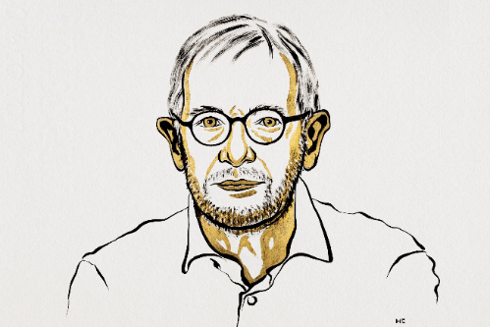
Chemistry: Henri B. Kagan and Kenso Soai – for their research into chemical asymmetry and mirror-image molecules.

Kenso Soai

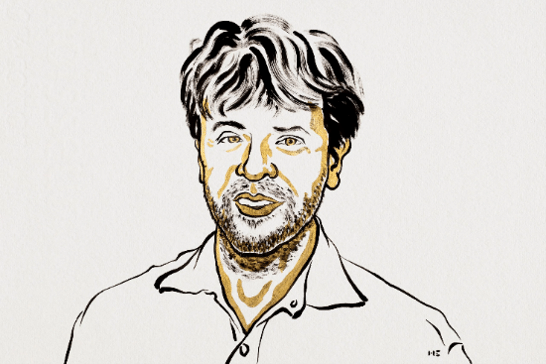
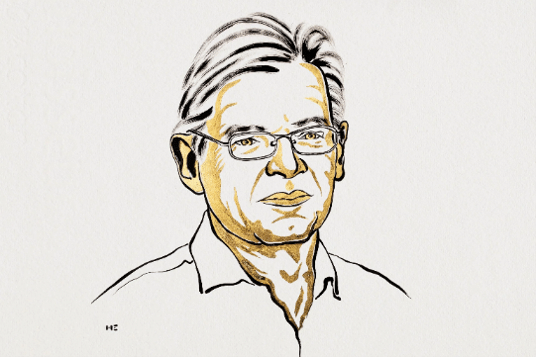
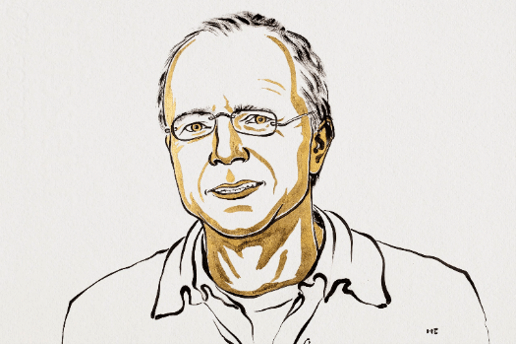
Physiology and Medicine: Karl Deisseroth, Peter Hegemann and Georg Nagel – for discoveries relating to light-sensitive ion channels and optogenetics.
Karl Deisseroth
Peter Hegemann
Georg Nagel
Find out more: nobelprize.org
Prepared by: dr. Tjaša Urbič, univ. dipl. chem..,
inf. spec. in chemistry and natural sciences

Digital technology and our minds: how can we retain our ability to think for ourselves?
Smartphones, social media and artificial intelligence tools have become an indispensable part of everyday life. They enable us to access information more quickly, carry out tasks and solve problems. But could our increasing reliance on digital devices mean that we are gradually losing some of the abilities that are essential for learning, remembering and thinking for ourselves?
This research addresses this question A scoping review of the negative effects of digital technology on cognition, published in 2026 in a scientific journal Reports on Computers and Human Behaviour. The authors, Urška Žnidarič, Erik Štrumbelj and Octavian Machidon from the Faculty of Computer and Information Science at the University of Ljubljana reviewed 937 scientific papers examining the negative effects of digital technologies on human cognitive abilities. Their review covers everything from smartphone use and multitasking to the latest research on the impact of generative artificial intelligence.
One of the key findings relates to our attention. Frequent notifications, switching between apps and multitasking can make it harder to concentrate and reduce learning effectiveness. When we check our email or social media whilst reading messages, our brains have to constantly shift our attention. As a result, we find it harder to remember information and understand it less well. The same applies to memory: if we always rely on online search engines when looking for information, we may practise recalling knowledge from memory less often.
Artificial intelligence presents a particular challenge. Tools that can generate text, write programme code or suggest solutions to problems can make our work considerably easier. However, the question arises as to what happens when we entrust them with tasks that require us to think, judge and create for ourselves. If we accept an answer without checking it, or use a solution without understanding the process, we may miss out on an important part of the learning process. It is precisely the independent solving of challenging tasks, checking for mistakes and exploring different paths to the goal that help us develop knowledge and critical thinking.
At the same time, the authors point out that we must not generalise about the effects of digital technology. Research shows various links, but does not always prove direct causality. The impact of technology use is also significantly influenced by age, lifestyle habits, sleep quality, family environment and how devices are used. Technology in itself is therefore not necessarily a problem. What matters is how we integrate it into our lives.
What can we do? Whilst working, we can set aside time without notifications, carry out tasks with fewer interruptions, try to recall information from memory first, and critically evaluate the answers provided by artificial intelligence. When learning, it makes sense to use digital tools as a support, rather than as a substitute for our own thinking. The research raises an important question for our times: how can we reap the benefits of digital progress without neglecting our own cognitive abilities? The aim is not to abandon technology, but to use it thoughtfully. The best results are likely to be achieved when the speed and convenience of digital tools are complemented by curiosity, independent learning and critical judgement.
Find out more: A scoping review of the negative effects of digital technology on cognition
Prepared by: Sonja Zagorc Kontić, BEng (Electrical Engineering), IT specialist in the field of electrical engineering and computing

IEEE Publisher withdrew a record number of papers in a single day
We read in *Nature* that the IEEE publisher removed as many as 1,400 conference papers from its portal in a single day. Conference papers do not, as a rule, undergo as rigorous a peer-review process as scientific articles in academic journals. Every year, the IEEE supports more than 2,000 conferences through publication, amounting to approximately 350,000 new papers annually. Responsibility for the quality and peer review of these works lies primarily with the members of the scientific committees of the individual conferences, whom the publisher trusts to have carried out their work.
According to *Nature* magazine, the IEEE has already retracted more than 3,000 articles this year. Among the possible reasons for such extensive retractions, experts also cite the activities of so-called »paper mills«, which sell fabricated or misleading scientific papers to researchers. Such services are aggressively advertised on social media and can often be traced.
Source: nature.com
Prepared by Mojca Kosem Avsec, mag. Mechanical Eng.,
inf. spec. for mechanical engineering and manufacturing

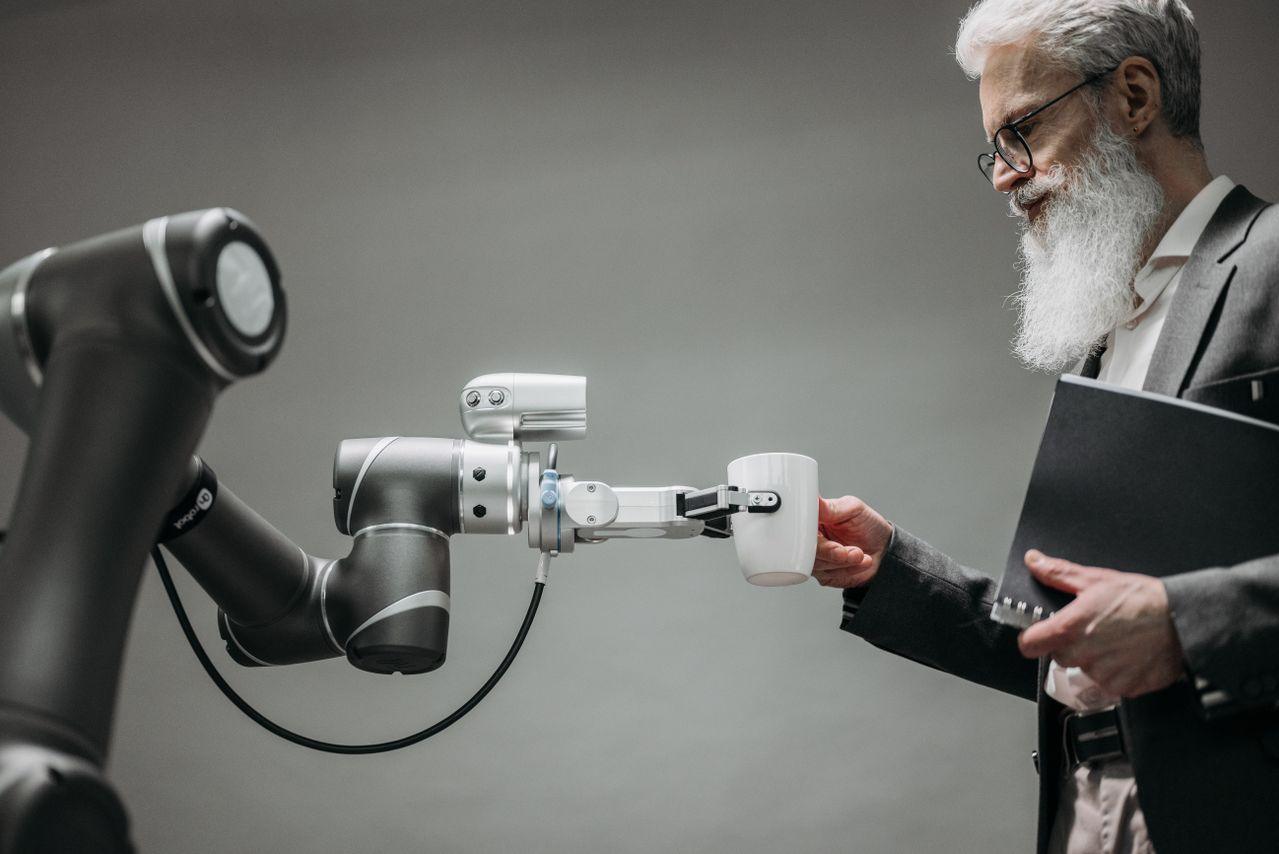
AI robots will soon be working in factories
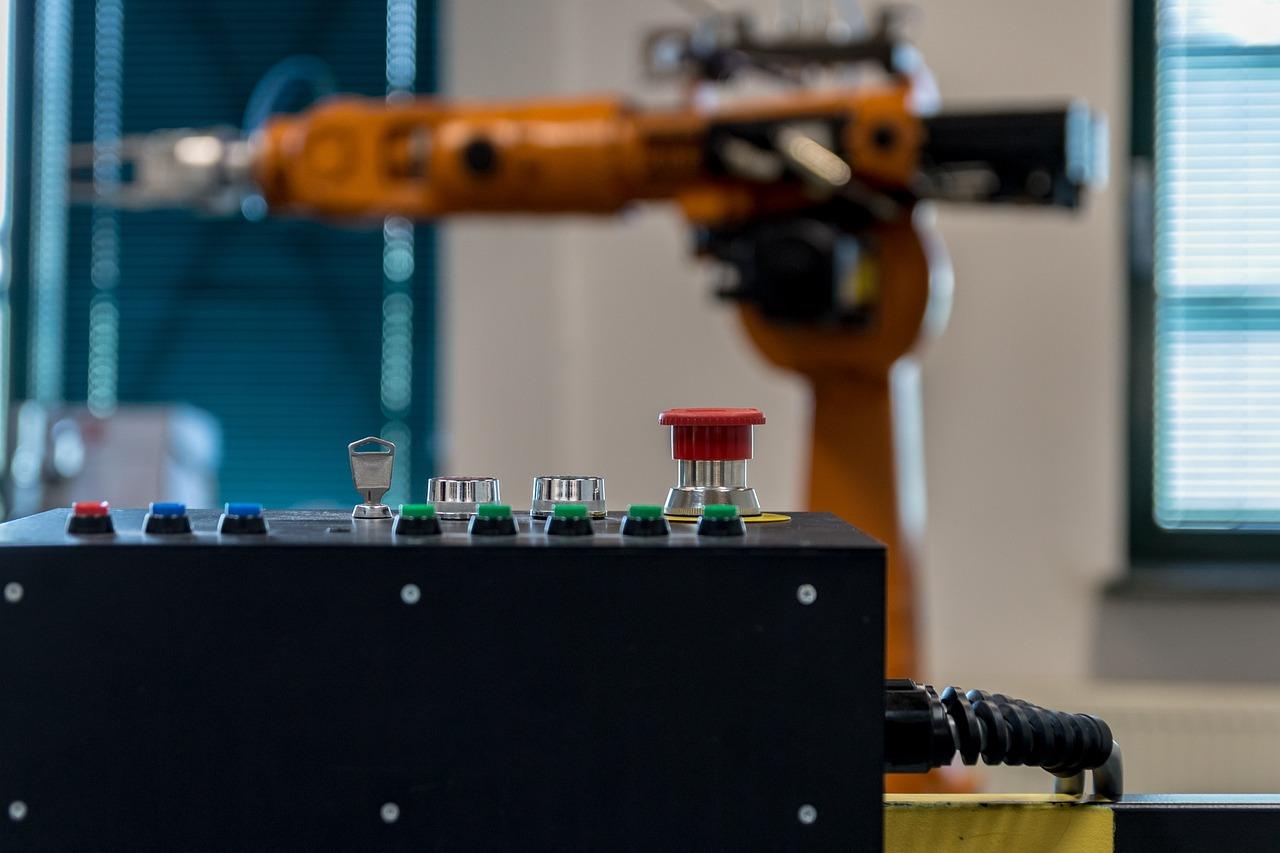
The demand for factory automation is growing, and workerless factories are becoming the norm. The number of industrial robots worldwide has exceeded 5 million, with over 600,000 new ones being installed every year, mostly in Asia.
The South Korean company Neuromeka has recently expanded factory trials of robots operating on the basis of the Physical Skill Foundation (PSF) platform – a physical artificial intelligence system developed in-house. PSF enables the robot to recognise a workpiece using a camera and independently determine the movements required to grasp or move it. In the past, engineers had to tailor a robot’s movements specifically to each individual object. The PSF system is designed to recognise and handle objects for which it has not been specifically trained beforehand. In the past, a single robot required a great deal of additional equipment, such as conveyor belts and screw-tightening machines, to carry out its work; now, however, a robotic arm alone is capable of doing this. European factories are lagging behind their Asian counterparts in terms of robotisation.
Source: Euronews, Seoul Economic Daily
Prepared by Mojca Kosem Avsec, mag. Mechanical Eng.,
inf. spec. for mechanical engineering and manufacturing
Artificial intelligence is also being incorporated into European robots and factories
The German mobility company Schaeffler and the robotics firm Wandelbots have entered into a partnership to integrate artificial intelligence into industrial robots.
The aim is to reduce automation costs by up to 40 per cent and to simplify the transfer of robotic applications between factories, primarily through improved robot flexibility. The collaboration will focus on developing the Wandelbots NOVA open platform, which will enable the use of artificial intelligence in industrial and humanoid robotics. In future, the solution is set to be made available to all Schaeffler sites worldwide to facilitate the development, testing and transfer of robotic applications between locations.
Source: Robotics & Automation News
Prepared by Mojca Kosem Avsec, mag. Mechanical Eng.,
inf. spec. for mechanical engineering and manufacturing
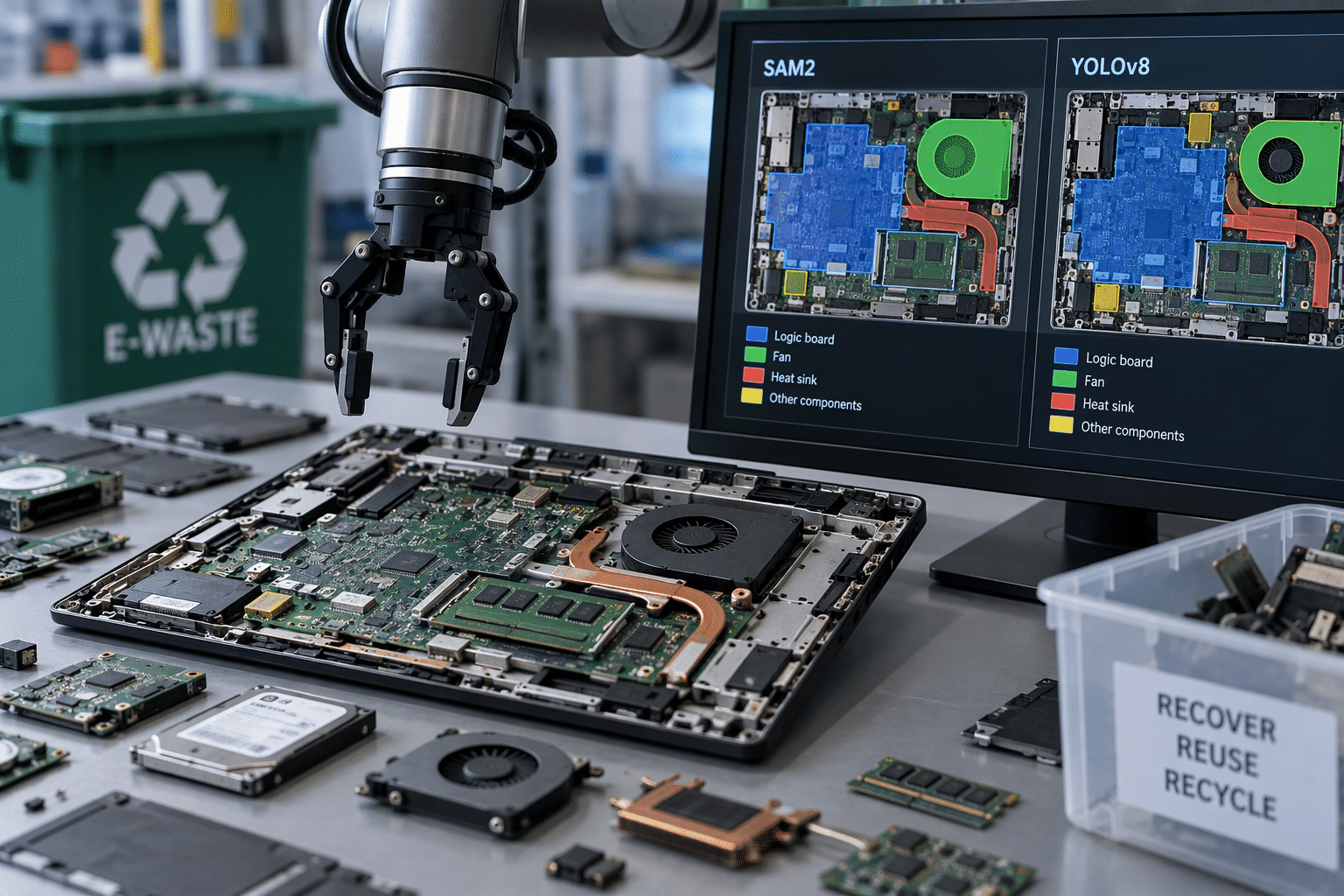
Robots are sorting and separating electronic waste
An article on computer vision models for the automated dismantling of electronic waste has been published in the ASME journal *Journal of Manufacturing Science and Engineering*.
The research was carried out using robots that had been trained on images of computer hardware, such as motherboards, fans and coolers, which were photographed from various angles and under different lighting conditions. The resulting dataset and evaluation framework provide the basis for the development of computer vision algorithms designed for the robotic disassembly of e-waste and circular production systems.
Source: Journal of Manufacturing Science and Engineering
Prepared by Mojca Kosem Avsec, mag. Mechanical Eng.,
inf. spec. for mechanical engineering and manufacturing
News from Slovenia
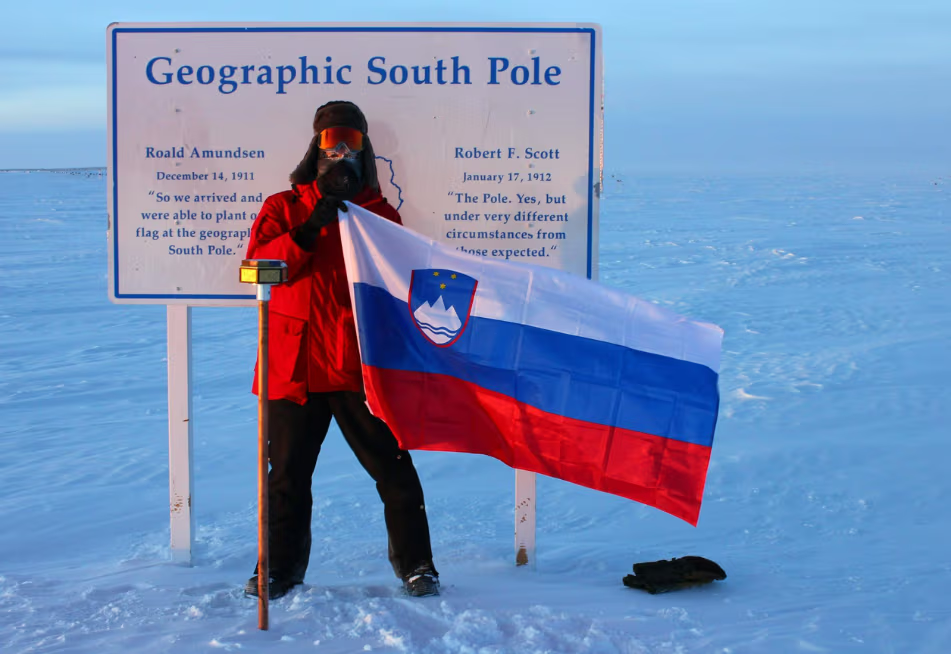
A Slovenian in Antarctica looked after a telescope in extreme conditions
The Slovenian physicist Michel Adamič was the first Slovenian to spend the winter at the Amundsen-Scott South Pole Research Station, where, as a member of the US programme, he was responsible for the operation of the South Pole Telescope. As part of his one-year mission (November 2025–November 2026), he carried out demanding maintenance work on the instrument, including working in temperatures as low as –80 °C, and assisted with numerous other tasks at the station. He had to go through several rigorous selection processes to be chosen, and his work is considered one of the most extreme scientific and technical challenges.
At the station, where only around 40 people remain during the winter, conditions are extremely restrictive: there is a shortage of running water, showering is limited to short intervals, and the environment is devoid of plants, animals and the usual rhythm of day and night. As well as maintaining the telescope, Adamič also assisted with medical support and logistical tasks, such as supporting air operations and providing basic supplies for the base. He points out that what he missed most were everyday things such as family, nature and a simple break from work, which highlights the psychological challenges of life in isolation.
Find out more:
– metropolitan.si
– www.ki.si
Prepared by Darko Majcenović, univ. dipl. bibl.
Hydrogen production using solar energy via a p-n heterojunction with an S-type configuration
Water splitting using solar energy represents a sustainable strategy for producing clean hydrogen fuel. However, the photocatalytic efficiency of water splitting using conventional photocatalysts is limited by rapid electron–hole recombination and insufficient redox capacity.
The synthesis of photocatalysts with an S-type heterojunction offers an effective strategy for promoting charge carrier separation whilst simultaneously maintaining strong redox capabilities for the conversion of solar energy into hydrogen. This study presents a purpose-built p-n heterojunction based on the S-scheme, composed of CuBi₂O₄ (p-type) and TiO₂ (n-type) materials, intended for photocatalytic hydrogen evolution without the use of a precious metal co-catalyst. Under the reaction conditions employed, pure CuBi₂O₄ shows no detectable H₂ evolution, whilst the optimised CuBi₂O₄–TiO₂ heterostructure (with 1 wt.% CuBi₂O₄) achieves a hydrogen evolution rate of 639.8 μmol·g⁻¹·h⁻¹, representing an approximately 5.0-fold increase compared with pure TiO₂. The improved photocatalytic efficiency is due to favourable charge transfer and separation at the interface between CuBi₂O₄ and TiO₂. Experimental results, supported by density functional theory (DFT) calculations, confirm the proposed S-scheme charge transfer mechanism, which enables the efficient utilisation of photogenerated charge carriers.
The study demonstrates the potential of CuBi₂O₄-TiO₂ with a low proportion of one component for the photocatalytic production of hydrogen without precious metals, and highlights the importance of electronic interactions at the material interface in the design of efficient heterojunction photocatalysts.
Source: National Institute of Chemistry, 7 October 2026
Find out more: sciencedirect.com
Prepared by: dr. Tjaša Urbič, univ. dipl. chem..,
inf. spec. in chemistry and natural sciences
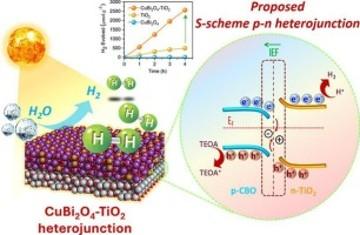
Photo source: sciencedirect.com
How does the allergen in kiwifruit trigger inflammation?
Inflammation is the body’s fundamental defence response, but it also plays a significant role in the development and persistence of allergic diseases. Early activation of the innate immune system triggers the production of cytokines and other inflammatory mediators, which shape the local tissue environment and influence the subsequent immune response.
In the case of allergies, such an inflammatory environment can promote the activation and recruitment of immune cells and contribute to the initiation and progression of the allergic response. Understanding the earliest events that trigger inflammation upon exposure to an allergen is therefore important for identifying the factors that determine the allergenic potential of individual substances, and for understanding why certain substances become allergens.
Researchers at the Chemical Institute and the University of Belgrade have discovered a new mechanism by which proteolytic allergens can trigger an innate immune response. They found that actinidin (Act d 1), the main kiwi fruit allergen and a proteolytic enzyme, activates the innate immune receptor TLR4 in an unexpected way, by proteolytically degrading its extracellular domain. The discovery, published in the journal *Allergy*, reveals a previously unknown mechanism of TLR4 activation that directly links the proteolytic activity of the allergen to inflammation.
Protease allergens can actively alter the tissue environment through their enzymatic activity and trigger inflammation. Actinidin is a cysteine protease that retains a significant proportion of its enzymatic activity even after exposure to the harsh conditions of the digestive tract. It has long been known that actinidin disrupts the epithelial barrier; however, the mechanism by which it triggers an inflammatory response in immune cells has not been previously understood.
The researchers have shown that actinidin triggers the production of pro-inflammatory cytokines via the TLR4 receptor. TLR4 activation is crucial for the response to bacterial endotoxin; however, the study showed that actinidin does not activate the TLR4 receptor via the usual pathway, namely through receptor-ligand interaction. Instead, the results support a model in which proteolytic removal of the extracellular domain of TLR4 removes a structural constraint that otherwise helps to keep the receptor in an inactive state. This discovery broadens our understanding of the ways in which allergens can activate the innate immune system. Protease-containing allergens therefore do not merely act as conventional ligands that bind to receptors; rather, through their enzymatic activity, they can directly remodelling immune receptors and thereby trigger inflammatory signalling pathways. The mechanism described offers a new perspective on the early events leading to allergic inflammation and highlights proteolytic activity as an important factor in the immunogenicity of allergens.
Source: National Institute of Chemistry, 21 September 2026
Find out more: onlinelibrary.wiley.com
Prepared by: dr. Tjaša Urbič, univ. dipl. chem..,
inf. spec. in chemistry and natural sciences
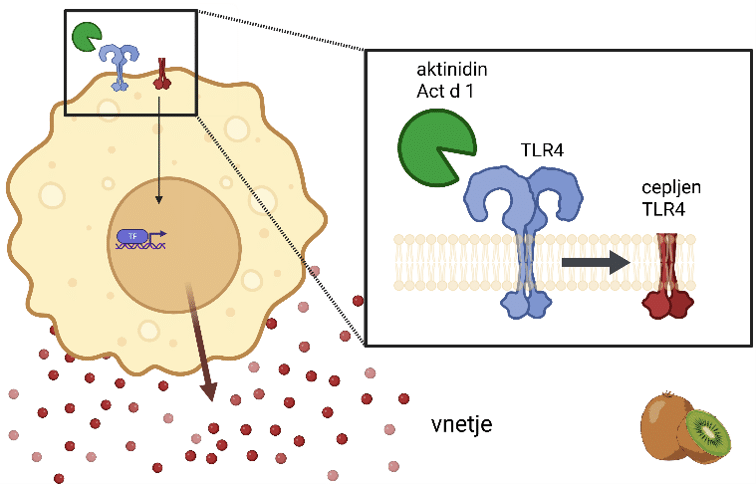
Photo source: www.ki.si
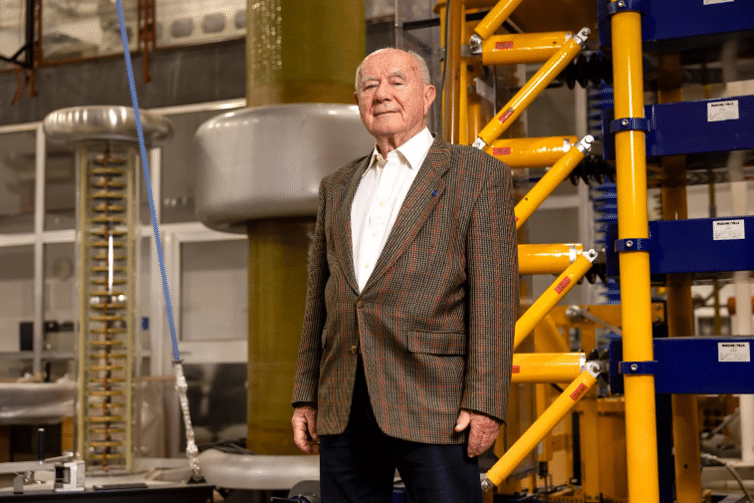
The Puh Award for Lifetime Achievement to Prof. Dr Ferdinand Gubina
The long-standing research, professional and teaching work of Prof. Dr Ferdinand Gubina, a retired professor at the Faculty of Electrical Engineering, University of Ljubljana, and a full member of the Slovenian Academy of Engineering, has received a significant national honour. For his outstanding contribution to the development of the Slovenian electricity system, he has been awarded the Puh Award for Lifetime Achievement, one of the most prestigious honours in the field of scientific research and development.
Prof. Dr Gubina’s career has been characterised by research into electrical power systems, particularly their control, automation and the assurance of reliable operation. His research has made a significant contribution to the development of solutions that enable a safe and efficient supply of electricity. The particular value of his work lies in the fact that his research findings have also been applied in practice, in the development of energy facilities and in the planning and management of electricity networks.
He also played an important role in establishing research and professional links in the field of energy. At the Milan Vidmar Electrical Engineering Institute, he set up a research department dedicated to the control of electrical power systems. As the founder and first president of the Slovenian professional association CIGRE, he contributed to greater integration of Slovenian experts into the international community. His work also encompassed the drafting of technical regulations and the development of electrical engineering terminology, both of which are important for the coordinated functioning of the profession.
In addition to his research achievements, Prof. Dr Gubina also made a significant contribution to the education of future professionals. At the Faculty of Electrical Engineering, University of Ljubljana, he has, as a professor and mentor, played a part in the education of numerous generations of engineers and PhD graduates. By passing on his knowledge and research experience, he has contributed to the development of the professionals who are today helping to shape the future of the Slovenian energy sector.
The breadth of his research is also evident in his achievements outside the field of electrical engineering. Among these, two stand out: an electronic model of a nerve cell, which mimicked the properties of a living cell, and a mathematical model of a bipedal robot’s gait. The latter was particularly advanced for its time, as a physical model based on this concept was not developed until some four decades later. The Puh Award thus recognises an exceptional professional career, creative research and a long-standing contribution to the development of science and technology. The achievements of Prof. Dr Ferdinand Gubina demonstrate the importance of combining fundamental research, the practical application of knowledge and dedicated teaching.
Prepared by: Sonja Zagorc Kontić, BEng (Electrical Engineering), IT specialist in the field of electrical engineering and computing
New data centre in Maribor – key infrastructure for the digital future
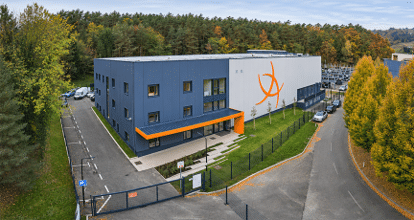
Arnes has set up a new data centre in Maribor, which will require up to 10 MW of electrical power when fully operational. The facility will be used to provide IT services to educational and research institutions and to support demanding computing tasks, including the operation of Slovenia’s new supercomputer.
From an electricity supply perspective, its electricity supply is of particular interest. The centre is connected via a direct line to the Mariborski Otok hydroelectric power station, which allows for a more flexible supply and can reduce the load on the distribution network. Additional transformer stations are planned to increase the connection capacity, as the existing one can supply up to 1.6 MW, whilst the final demand will be significantly higher.
Another important technical aspect is the cooling of the server equipment. In addition to conventional air cooling, liquid cooling will be installed for higher-performance servers and the supercomputer. There are also plans to utilise surplus heat to heat the city of Maribor, for which a project brief has already been drawn up.
The centre will also enable the long-term storage capacity for research data to be increased to 30 petabytes. Most of Arnes’s services in Maribor are expected to become operational in the first half of 2027, whilst the installation of the new Slovenian supercomputer is scheduled for the period 2027–2028.
The project is therefore not only significant from the perspective of digital infrastructure, but also raises interesting issues relating to the electricity supply: ensuring high connection capacities, efficient cooling, a reliable power supply and the possibility of utilising surplus heat.
Find out more:
Prepared by Sonja Zagorc Kontić, univ. dipl. Electrical Eng,
inf. spec. in electrical and computer engineering
Smart 3D printing of materials for sustainable cooling
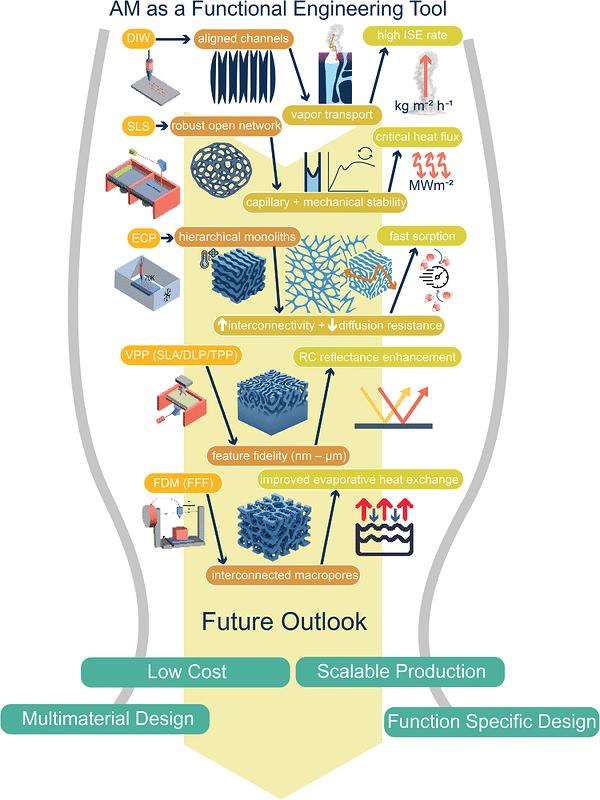
Researchers from the University of Ljubljana (Laboratory for Environmental Technologies in Buildings, Faculty of Civil Engineering) and Shanghai Jiao Tong University have published a review article in the journal Advanced Materials demonstrated how 3D printing enables the precise design of pores in materials. This allows for more efficient extraction of water from the air and passive cooling, which directly contributes to a sustainable future.
Until now, such porous materials have been produced using conventional chemical methods, which often result in random and uneven internal structures. This limits their performance, as random pores create bottlenecks in moisture and heat transfer. This research, however, comprehensively combines additive manufacturing with precise pore engineering, enabling the design of bespoke materials tailored to specific mass and heat transfer requirements.
Source: Faculty of Mechanical Engineering UL
Prepared by Mojca Kosem Avsec, mag. Mechanical Eng.,
inf. spec. for mechanical engineering and manufacturing
Forestry and Timber Sector Development Day 2026
This year’s 14th Forestry and Timber Sector Development Day took place at the Ljubljana Exhibition and Convention Centre on 5 November 2026. It focused on Slovenian timber brands and the transfer of innovation to the market, and presented examples of the development of new timber products and services. Alongside this, there was an open discussion between researchers, businesses and policymakers on brands, eco-design and the transfer of innovations to the market.
The event was organised by the Lesarski grozd Institute, which brings together Slovenian timber companies, employees in the forestry and timber processing sectors, and the most important timber research institutions. Of particular interest were the presentations of projects carried out under the auspices of SPIRIT Slovenia, the Public Agency of the Republic of Slovenia for the Promotion of Investment, Entrepreneurship and Internationalisation.
Some of the key points of the presentation:
- the effective integration of research, cultivation and the manufacture of timber products,
- the importance of credible certification schemes,
- Timber is a key issue for development and the market in Slovenia,
- the need for the entire Slovenian timber processing chain to function,
- The broader significance of the use of timber in public construction also includes the promotion of timber buildings,
- the importance of our own forests in providing raw materials,
- the need for domestic processing also encompasses education and the transfer of knowledge (in this regard, specialised libraries such as the CTK play an indispensable role),
- the importance of linking science, design and the economy,
- overseeing the implementation of advanced technologies, digitalisation and the effective transfer of innovations to the market,
- examples of the power of brands in terms of quality and innovation – consortia of joint Slovenian brands are particularly important for entering foreign markets,
- a shift from the export of round timber to the export of high-quality products.
A few links:
- Public Agency of the Republic of Slovenia for the Promotion of Investment, Entrepreneurship and Internationalisation
- Woodworking cluster
- Certification of the traceability chain
Prepared by: Dr Doris Dekleva Smrekar, BEng (Arch),
information specialist in architecture, urban planning and design

Photo source: Ana Skobe
News from CTK
As many as 700 pupils visited CTK in September and October
In September and October, we hosted more than 25 groups, comprising a total of 700 pupils, at the Central Technical Library of the University of Ljubljana. We were visited by pupils from the Vegova School, the Secondary School of Tourism and Gastronomy, and the Ljubljana Secondary School of Construction, Surveying and Environmental Protection and the Ljubljana Vocational Grammar School.
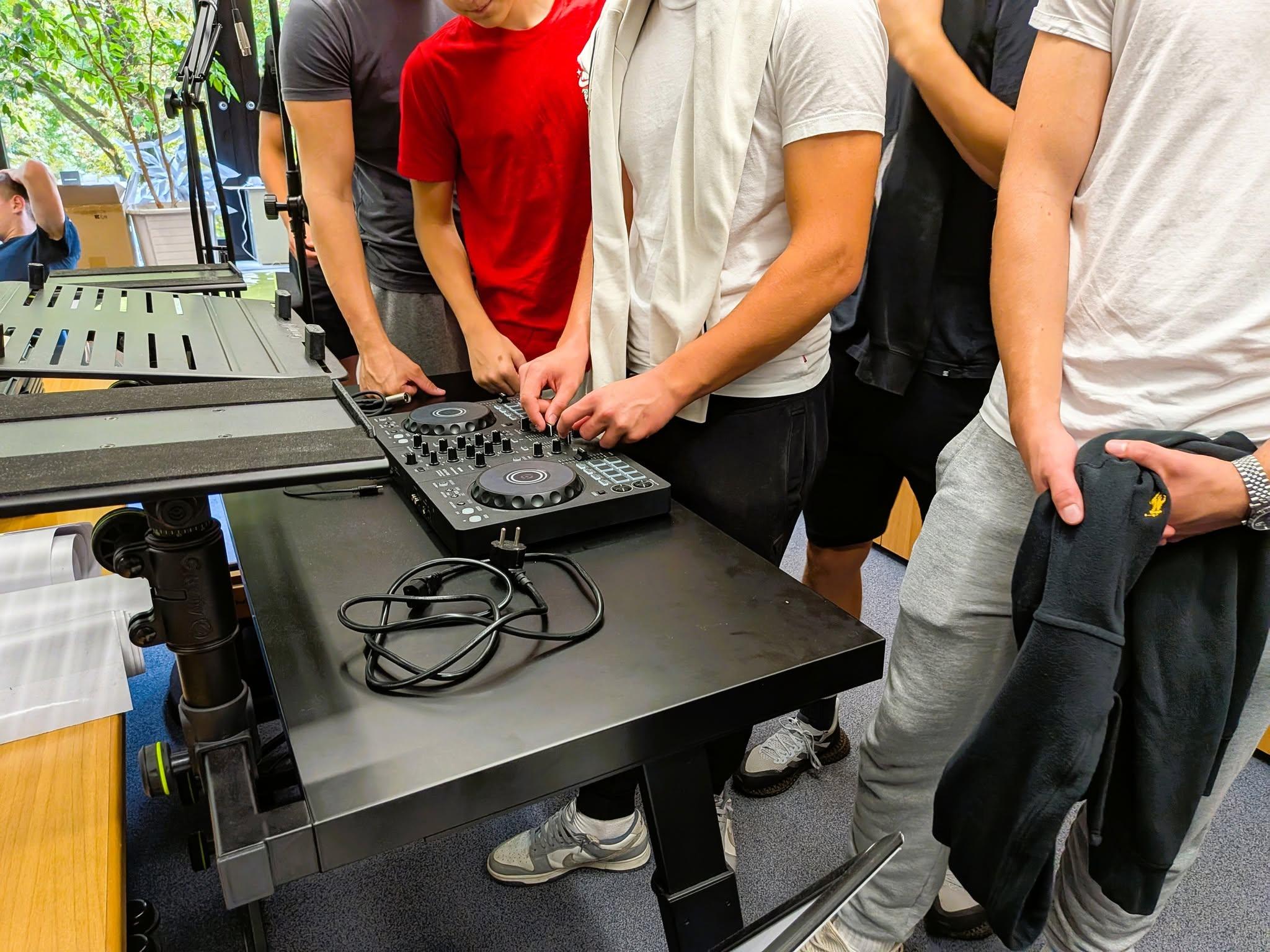
We organised a varied and interactive programme for them, which combined an introduction to the library with practical and creative activities. The pupils explored the library’s facilities and services, tried their hand at a flight simulator and learnt about 3D modelling. The musical atmosphere was provided by those who plucked up the courage to test their skills behind the DJ desk.
We supplemented the programme with talks on standards, the COBISS system, citizen science and other interesting topics offered by the CTK. Through presentations, Q&A sessions and practical activities, we introduced the pupils to the opportunities the library offers for learning, research and developing their own ideas.
Organising such a large number of visits required careful planning, coordination and cooperation amongst staff. Through our joint efforts, we successfully carried out all the visits and presented CTK to the pupils as an open space for knowledge, modern technologies and creativity. Thank you to all our colleagues who contributed to the programme, and to the pupils and their accompanying adults for visiting and taking part.
Prepared by: Miha Knez, academic sculptor.
European Mushroom Day
Fungi, of which mushrooms are a part, are extremely important organisms, without which the cycle of life on Earth would not be possible. That is why we celebrate various international mushroom days, including the unofficial European Mushroom Day on the last Saturday in September, which was introduced by a German magazine Der Tintling.
To mark European Mushroom Day, the CTK highlights the importance of fungi, which are key organisms for the functioning of ecosystems. It explains that mushrooms are merely the visible fruiting bodies of a much larger underground network of mycelium, which breaks down organic matter, enables the circulation of nutrients and even mediates the exchange of substances between trees. The article describes the structure of fungi, their methods of reproduction via spores, the various life forms of fungi, and their roles as symbionts, decomposers or parasites.
The article also highlights the nutritional, medicinal and cultural value of mushrooms and draws attention to the dangers involved in foraging for them. It mentions medicinal species such as reishi and shiitake, as well as deadly poisonous mushrooms, amongst which the green fly agaric stands out. In addition, the author highlights some lesser-known curiosities, such as bioluminescent fungi, psychoactive species and parasitic fungi that can control the behaviour of insects. Through numerous examples, the article highlights the extraordinary diversity and indispensable role of fungi in nature.
Find out more in the article, which was based on a poster that was on display at the CTK.
Compiled by: Anja Bajič, BA in Russian and BA in English,
CTK User Services Support Department

News from UL
111 researchers from the University of Ljubljana are among the top 2 per cent of the world’s most influential scientists
As many as 111 researchers from the University of Ljubljana, representing 19 faculties, have been ranked on Stanford’s latest list of the top two per cent of the world’s most influential scientists, which represents a significant increase compared with the previous year, when there were 93. A further 97 researchers from the University of Ljubljana have been included in the ranking, which measures scientific impact throughout an entire research career. This achievement confirms the strong international impact of the University of Ljubljana’s research and its significant contribution to the development of global science.
The ranking is compiled by Stanford University and the publisher Elsevier on the basis of data from the Scopus bibliographic database and the citation impact of scientific publications. What makes this year’s result particularly significant is that the recognition encompasses researchers from a wide variety of fields and from various constituent institutions of the University of Ljubljana, which demonstrates the university’s broad-based research excellence. The growing number of researchers featured in the ranking confirms that the influence and recognition of the University of Ljubljana’s research work on the international stage continue to grow.
Source: uni-lj.si
Prepared by Darko Majcenović, univ. dipl. bibl.

News about Open Science
The SPOZNAJ project: three years of networking, education and opening up Slovenian science
How can the principles of open science be translated from legislation and strategic documents into everyday research practice? This was the central question the SPOZNAJ project – Support for the implementation of open science principles in Slovenia, which concluded in June 2026. Under the leadership of the Central Technical Library of the University of Ljubljana, 20 Slovenian public research and higher education organisations spent nearly three years developing the expertise, tools, infrastructure and support services to put the principles of open science into practice.
The project was launched in response to significant changes in the Slovenian and European research landscape. Open science is not merely about ensuring free access to scientific publications; it also encompasses the responsible handling of research data, new approaches to the evaluation of research work, and the involvement of the wider public in research. However, for these principles to be put into practice, researchers need the appropriate knowledge, infrastructure and expert support.
One of the project’s key priorities was the training of researchers and specialist staff. Among the most significant achievements were two specialist training courses for data specialists, attended by 256 individuals from 48 organisations and four private individuals. The project partners also organised numerous public lectures, workshops and four national events with international participation, aimed at exchanging knowledge and experience in the field of open science. An exhibition on open science was also created and presented in Koper, Ljubljana and Maribor, in However, it remains available online in virtual form.
The freely accessible educational and specialist resources also represent an important legacy of the project. As part of the project, the following was produced: Discover FAIR: a guide to open science in Slovenia, the first Slovenian handbook to provide a comprehensive overview of the field of open science. It is supplemented by an online Handbook on planning the handling of research data, which offers practical guidance on drawing up data management plans and managing data responsibly throughout the research process. The project’s results also include Open Science Terminology Dictionary, which contributes to the standardisation of Slovenian technical terminology in this rapidly developing field.
In addition to educational activities, the project has made a significant contribution to establishing a supportive environment for open science within Slovenian research organisations. The partners have adapted institutional documents and procedures, developed support services and established a network of contact persons and data specialists whom researchers can turn to for help with the preparation and publication of research data.
Although the SPOZNAJ project has come to an end, its results remain an important foundation for the further development of open science in Slovenia. The knowledge, resources and links between institutions that have been established will continue to support the research community in implementing the principles of open and responsible research. The activities initiated as part of the SPOZNAJ project will continue within the framework of Open Science Action Plan, and the CTK will continue to play an important role in coordinating their content. You can find out more about the project and its main achievements via the link https://projekt-spoznaj.si/projekt-spoznaj-v-stevilkah/.
Find out more: The »GET TO KNOW’ project – «Support for the implementation of open science principles in Slovenia’ was co-funded by the Republic of Slovenia, the Ministry of Education, Science and Youth (formerly the Ministry of Higher Education, Science and Innovation) and the European Union – NextGenerationEU through the national Recovery and resilience plans.
Prepared by Magdalena Gapsa, M.Phil., Research Data Info Specialist, and Dr Tea Romih, B.Sc., Research Data Info Specialist

Econovice
In just five years, nearly 20 % of Swiss glacial ice has disappeared
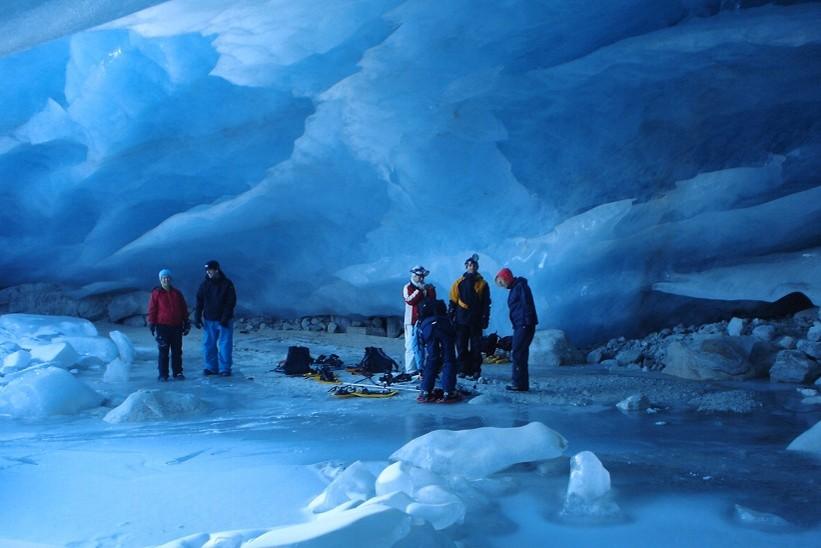
Swiss glaciers are disappearing at an alarming rate. In 2026 alone, they lost more than 5 % of their ice volume. Some of Switzerland’s best-known glaciers have experienced their worst melting since records began, whilst several smaller glaciers have disappeared entirely. In just five years, nearly 20 % of Swiss glacial ice has been lost, a trend driven by unusual snowless winters and extreme summer heat.
In 2026, Swiss glaciers lost more than 5 % of their total volume, marking yet another devastating year for the country’s glaciers. Although the melting did not reach the levels of the record losses seen in 2022, the glaciers thinned by an average of 2.5 to 4 metres. In some areas, the lower sections of the glaciers lost as much as 10 metres of ice.
Many of Switzerland’s larger glaciers, including the Rhône, Aletsch and Clariden glaciers, recorded their most severe melting to date in 2026. For some smaller glaciers, the losses were even more dramatic, as they disappeared entirely. Among them were Bella Tola in the canton of Valais and Griessfirn in the canton of Glarus – both have vanished forever.
Source: ETH Zurich, 23 October 2026
Find out more: ethz.ch
Prepared by: dr. Tjaša Urbič, univ. dipl. chem..,
inf. spec. in chemistry and natural sciences
40 years after the Chernobyl disaster, things are not as scientists had expected
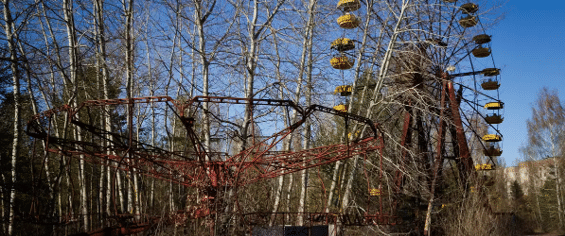
Forty years after the Chernobyl disaster, tiny radioactive particles still linger in the soil, carrying a dangerous legacy. Using powerful X-rays, scientists have discovered that some of these particles have remained surprisingly stable; they have retained the radioactive material within them rather than releasing it into the environment.
Four decades after the Chernobyl nuclear disaster, microscopic radioactive particles are still scattered throughout the surrounding land. The explosions that destroyed the reactor released huge quantities of particles and caused contamination that still poses a serious health risk. Even after 40 years, the particles – measuring just 8 to 50 micrometres in size – remain highly radioactive, which is why protective clothing is still required to enter the affected areas.
Scientists examined these tiny remains in greater detail and made a surprising discovery: despite having been exposed to the environment for several decades, some of them had retained much of their original internal structure.
Source: Helmholtz-Zentrum Dresden-Rossendorf, 22 October 2026
Find out more: sciencedirect.com
Prepared by: dr. Tjaša Urbič, univ. dipl. chem..,
inf. spec. in chemistry and natural sciences
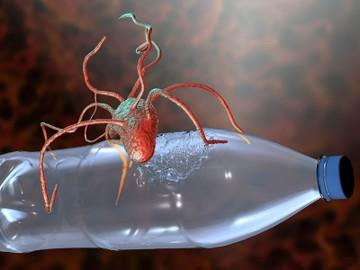
Scientists have discovered an enzyme that »eats« plastic – a sort of »Pac-Man« with a surprising secret
Scientists have discovered an extraordinary »Pac-Man enzyme« that helps bacteria digest certain types of plastic and could offer new hope in the fight against plastic pollution. The researchers found that certain types of biodegradable plastic had completely broken down in the soil in about a year, whilst conventional plastic remained largely unchanged.
Plastic pollution is one of the world’s most persistent environmental problems. Huge quantities of discarded plastic are accumulating in the oceans, sometimes forming vast patches of rubbish, which in turn threaten marine life. Most common types of plastic break down extremely slowly, as microorganisms struggle to degrade the synthetic polymers from which these materials are made. Instead of disappearing, these materials gradually break down into ever-smaller particles, including microplastics and nanoplastics.
However, plastic waste is not entirely beyond nature’s reach. Bacteria and other microorganisms can colonise its surfaces and form communities known as biofilms. These communities create a unique microbial ecosystem that scientists call the »plastisphere«. Researchers at the University of Konstanz have discovered an unusual enzyme that could reveal how certain bacteria are becoming increasingly capable of breaking down specific types of plastic.
Source: University of Konstanz, 16 October 2026
Find out more: academic.oup.com
Prepared by: dr. Tjaša Urbič, univ. dipl. chem..,
inf. spec. in chemistry and natural sciences
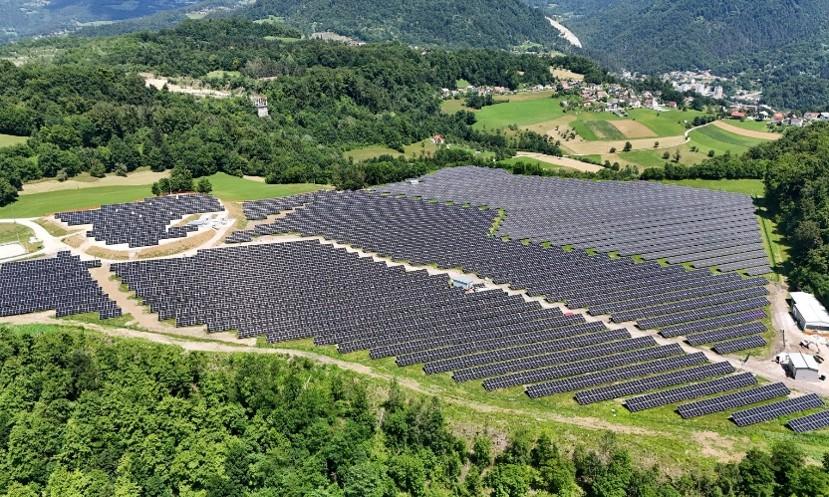
Solar power stations at landfill sites: from a technical concept to implementation
In Zasavje, a region with a long history in the energy sector, the former site of the fly ash and slag landfill at the Trbovlje Thermal Power Station has been given a new role in the energy sector. In September 2026, Holding Slovenske elektrarne (HSE) opened the Prapretno 2 and 3 solar power stations, complete with a battery energy storage system. The complex comprises more than 17,900 solar modules, with a total capacity of 9.8 MW and an estimated annual electricity generation exceeding 10 GWh.
An important part of the project is a 7 MW battery storage system with a capacity of 14 MWh. This enables the storage of electrical energy and its more flexible use, which is important when integrating solar power stations into the electricity grid. Solar generation depends on the weather and the time of day, so storage systems help to better align generation with consumption.
The construction of solar power stations on degraded land is also of interest from the perspective of efficient land use. Former landfill sites may have limited potential for other uses, but, subject to appropriate technical and environmental assessments, they can also be utilised for the generation of electricity from renewable sources. Prapretno is an example of how an area associated with traditional energy generation can be integrated into a more modern energy system. At the same time, the project contributes to the transformation of the Zasavje region and the reuse of land that has already been impacted.
I had already explored the possibilities of installing solar power stations at landfill sites in more detail in my 2012 dissertation entitled Design and analysis of solar power stations using photovoltaic modules at landfill sites. Today’s Prapretno project is an interesting example of developments in a field that I have been studying professionally for over a decade. Projects such as this highlight the importance of reusing degraded areas and demonstrate how they can become part of the modern electricity system.
Find out more:
- European funding. HSE has opened the largest solar power station in Slovenia
- Holding Slovenske elektrarne (HSE). HSE has opened the largest solar power station in Slovenia.
- Zagorc, Sonja (2012). Design and analysis of solar power plants with photovoltaic modules at landfill sites: undergraduate thesis. COBISS.SI
Prepared by Sonja Zagorc Kontić, univ. dipl. Electrical Eng,
inf. spec. in electrical and computer engineering
Book novelties
Kew – Rare Plants: The world’s unusual and endangered plants
Author: Ed Ikin, Royal Botanic Gardens, Kew
Scope: botany
Content: The book *Rare Plants* explores why the world’s most unusual plants are so extraordinary and why they have become so rare. From the highlands to the jungle, many of our most remarkable plants are disappearing at an astonishing rate. This beautifully illustrated book explores 40 of these mysterious species.
Featuring stunning archive photographs and expert insights from the Royal Botanic Gardens, Kew, this book explores both the beauty and the vulnerability of our plant world.
Recommendation: for anyone interested in botany and nature conservation
Information Specialist: dr. Tjaša Urbič, univ. dipl. chem..,
inf. spec. in chemistry and natural sciences

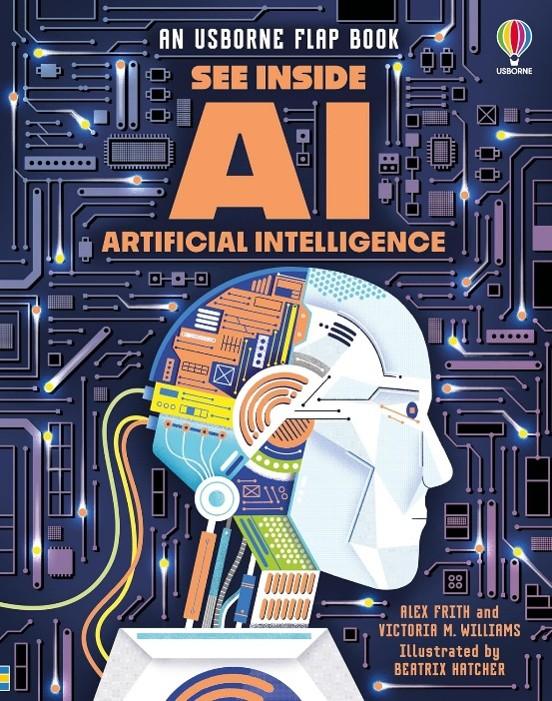
See Inside AI
AuthorYes: Alex Frith and Victoria Williams
Illustrator: Beatrix Hatcher
Publishing house: Usborne
Scope: artificial intelligence, computing, technology, STEM
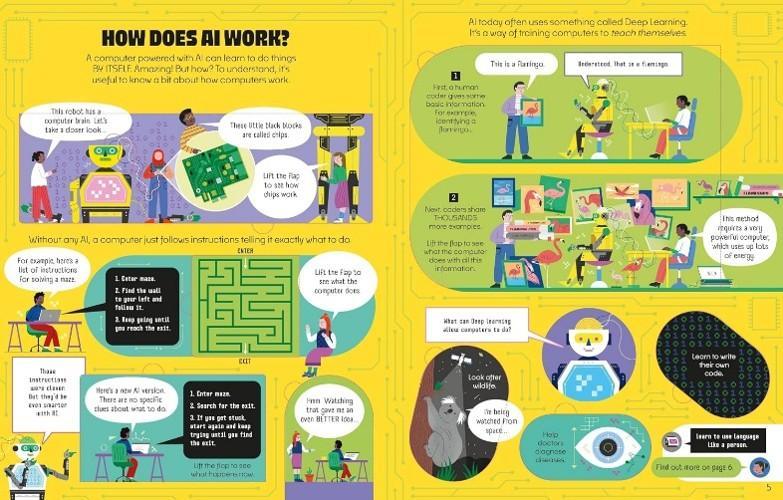
Content: Book See Inside AI is an interactive and richly illustrated guide that takes young readers on a journey into the fascinating world of artificial intelligence. It explains, in a clear and accessible way, what artificial intelligence is, how it works, and where we encounter it in our everyday lives. Through the individual chapters, readers learn about how smart computers work, speech technology, the creation of art using artificial intelligence, and the development of robotics. The book also raises questions about the possibilities, limitations and risks of artificial intelligence, and encourages readers to reflect on how it might shape our future.
A distinctive feature of the book is its numerous tabs, behind which lie additional information, interesting facts and explanations that transform reading into an interactive exploration. The content was also developed in collaboration with Professor Michael Wooldridge from the Department of Computer Science at the University of Oxford, ensuring that the information is academically sound and reliable.
Recommendation: This book is an excellent choice for children and young people with a thirst for knowledge who want to learn about artificial intelligence, how it works and its impact on society in a fun, clear and accessible way. It serves as a good starting point for discussions about modern technology, digital literacy and the responsible use of artificial intelligence.
Information Specialist: Sonja Zagorc Kontić, BEng (Electrical Engineering), IT specialist in the field of electrical engineering and computing
Data Engineering for Beginners (Tech Today)
Author: Chisom Nwokwu
Scope: data engineering, databases, big data, computing, data science
Content: Book Data Engineering for Beginners is a practical and accessible guide aimed at anyone wishing to learn the basics of data engineering and understand how large volumes of data are generated, processed, stored and utilised. The author, Chisom Nwokwu, guides readers step by step through key concepts in the field, such as relational and non-relational databases, data warehouses and data lakes, data pipelines, and batch and stream processing. He also pays particular attention to data quality, data security, data system management, distributed systems and the use of cloud technologies.
This book presents complex technical content in an accessible way, supplementing it with practical examples and explanations that help readers understand what is otherwise a challenging subject. It also includes a glossary of key terms from the field of data engineering, an overview of important tools and technologies, and a presentation of career opportunities and the skills required to work in this rapidly evolving sector.
Recommendation: This book is suitable for beginners, students and anyone interested in data science, data analysis and data engineering. It provides a good starting point for understanding modern data systems, acquiring technical knowledge and exploring career opportunities in the field of big data and digital technologies.
Information Specialist: Sonja Zagorc Kontić, univ. dipl. Eng. in Electrical Engineering,
inf. spec. in electrical and computer engineering

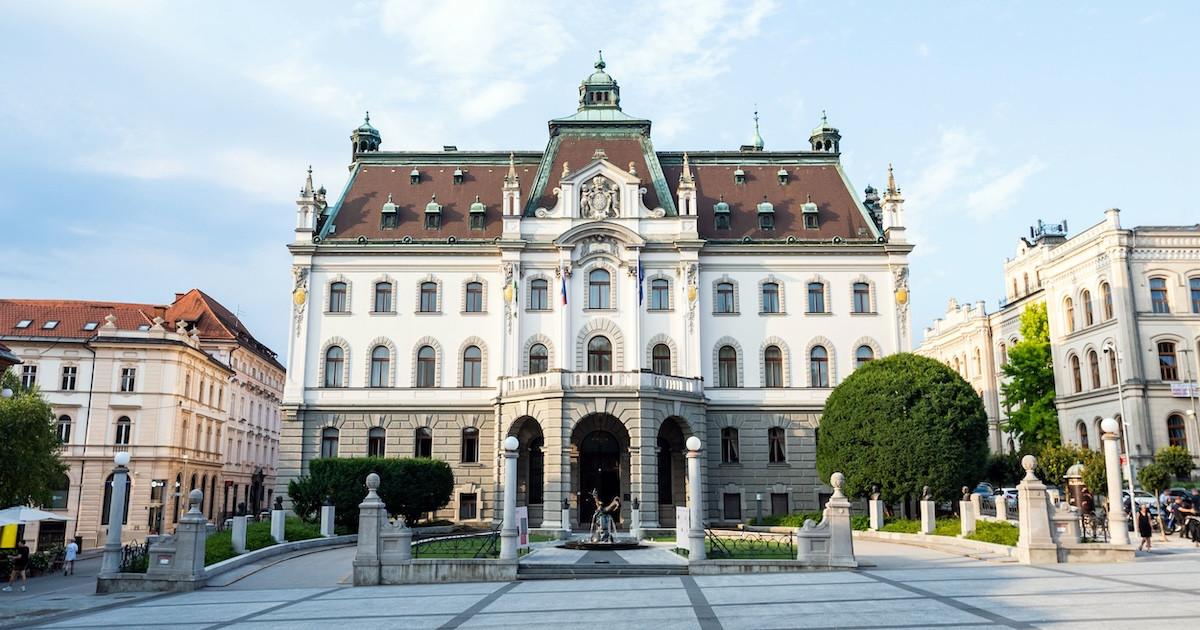
Publisher: Central Technical Library of the University of Ljubljana, Trg republike 3, 1000 Ljubljana
Editor: Dr Tjaša Urbič (tjasa.urbic@ctk.uni-lj.si)
Technical EditorDarko Majcenovic (darko.majcenovic@ctk.uni-lj.si)
Text reviewed by: Jože Brišnik
ISSN: 2820-445X
E-bulletin CTK is the newsletter of the Central Technical Library of the University of Ljubljana.
If you would like to share interesting information about your work on the CTK E-bulletin with others, please send it to us. Please address your contributions to the e-bulletin editor (tjasa.urbic@ctk.uni-lj.si).
