

News from Engineering and Life Sciences | Volume 5, Issue 1, April 2026
A word from the editor
Spring has a special power: with it, the light returns, the days get longer, cities come alive, and even university corridors regain their characteristic rhythm. One of the places where this transition is particularly noticeable is the Central Technical Library. Here, silence, concentration and that special sense of beginnings that spring brings meet. Students arrive with laptops, notebooks and stacks of notes. Some sit by the windows where the sun slowly creeps over the tables, others seek quiet corners among shelves full of specialist books. A technical library is more than just a place to study - it's a laboratory of ideas, where solutions, projects and sometimes even the first ideas of future careers are born.
In January, our dear Director Miro Pušnik, who was the pillar and soul of CTK, said goodbye to us. He will be greatly missed and always remembered.

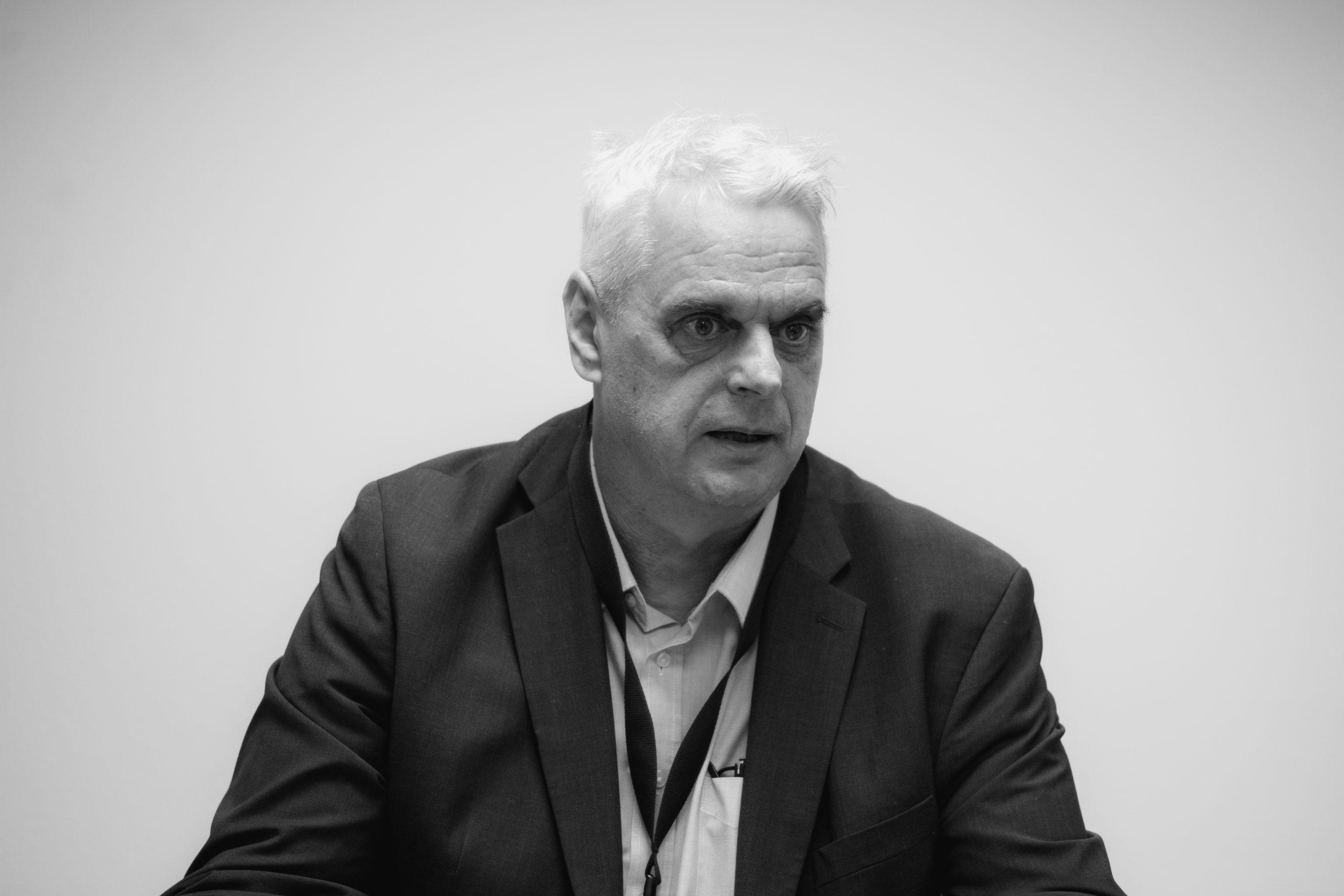
In memoriam: Miro Pušnik
Unexpectedly and much too soon, in January 2026, we said goodbye to Mag. Miro Pušnik, Director of the Central Technical Library of the University of Ljubljana. His death not only marked the CTK team, but also cut deeply into the wider Slovenian library and professional space.
Miro Pušnik has been the Director of the Central Technical Library in Ljubljana for less than two decades, but his path led him to CTK many years before that, when he was a young student. One of his distinctive features and qualities was that he did not have an authoritarian attitude towards his staff, but rather gave a feeling of equality and acceptance to all.
He understood not only the staff, but also the students. Students make up the largest proportion of the library's users and Miro Pušnik made sure that the library adapted to their needs. Under his leadership, the CTK became a symbol of a place to study for generations of students, as he was also the first to respond to student efforts to improve the condition of reading places in Ljubljana and to extend opening hours during the exam period. He was aware that users' habits and needs had changed for various reasons and he wanted to adapt to these changes.
It is no coincidence that he became fascinated by open science. His professionalism, passion for his work, extensive knowledge and commitment have led him to play a very important role in the development of open science in Slovenia. And not only in Slovenia - he has also been involved internationally in promoting open science communication and has actively supported the translation of European open science policies into the national environment. His commitment to open science and science communication was reflected in the CTK programme, which under his leadership coordinated the KNOW project, giving Slovenia the opportunity to develop an open national infrastructure that would be available free of charge to the academic community. He also saw the NOW project as a platform for dialogue, bringing together researchers, research organisations, funders and the wider community.
He ensured that CTK took over the coordination of the Citizen Science Network and the Open Library: the Centre for Quality Assurance in Science Communication. Communicating science was a very important activity for him and one that, as he pointed out, should be supported at all levels of education: from kindergarten, primary and secondary school to the third stage of life. He believed that open science was not competitive, but collaborative.
His work has left a great mark on the entire scientific research work in Slovenia, as his efforts have had a major impact on increasing access to international scientific literature for Slovenian researchers, as well as on the number of publications by researchers in open access. He has advocated for responsible metrics for the evaluation of scientific research and for the involvement of the wider community in scientific research. He has also been involved in the governance of the S Coalition, active in the working groups of the European Open Science Cloud, leader of the first expert body on open science monitoring and a member of the Slovenian Open Science Community. Until the end of his life, he served as the President of the National Council for Library Activity of the Republic of Slovenia.
Miro Pušnik will be remembered with lasting respect as a warm, committed, warm-hearted and collaborative man, who was also a man of exceptional professional excellence. His wealth of knowledge has left a deep imprint and his work will live on, as he has created a solid and progressive foundation in librarianship and scholarship on which future generations can build.
Prepared by Patricija Fašalek
Content:
News from around the world
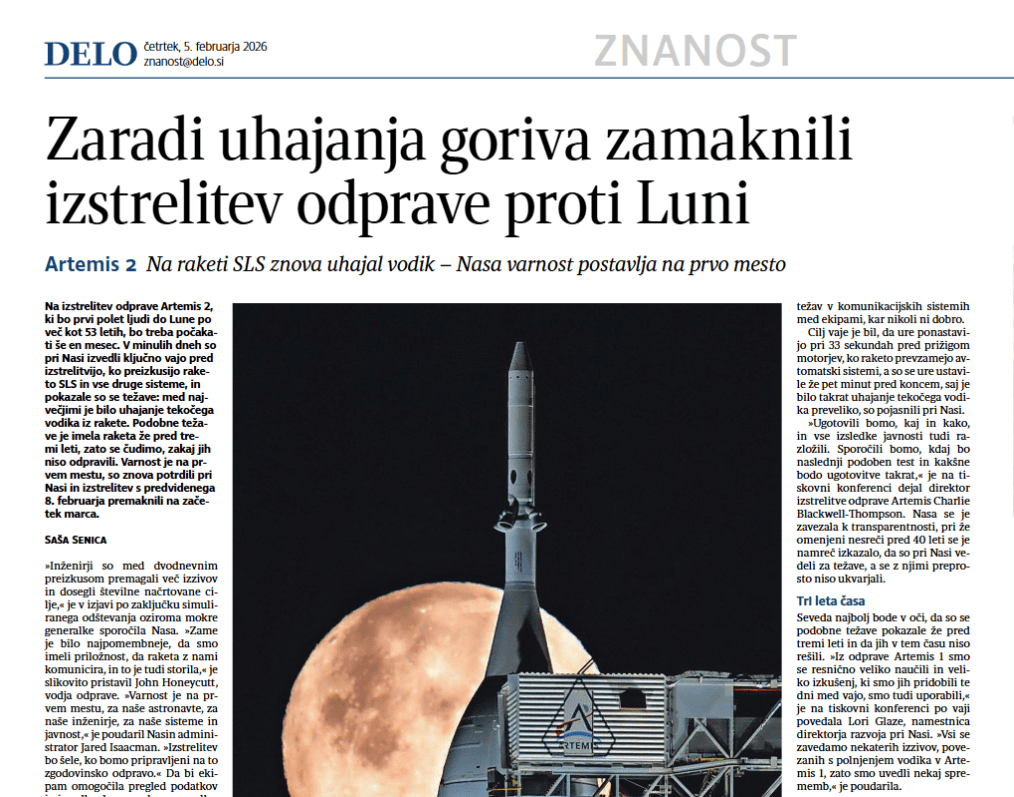
Fuel leak delays launch of expedition to the Moon again
At NASA, a pre-launch rehearsal for Artemis II was carried out in early February, but it was not successful. One of the biggest problems was a leak of liquid hydrogen. Similar problems were experienced by the SLS rocket in 2022, before Artemis I. With Artemis II, the Americans aim to make the first human flight to the Moon in more than 53 years. The launch is currently being pushed back to early March, if the technical problems are successfully resolved.
Source: delo.si
Prepared by Mojca Kosem Avsec, mag. Mechanical Eng.,
inf. spec. for mechanical engineering and manufacturing
Is bamboo the raw material of the future?
In Nature Communications, researchers report on a new method for producing strong, biodegradable plastics from bamboo. The bioplastic is similar in strength, formability and thermal stability to petroleum-based plastics, but can degrade in the soil in 50 days, representing a new route to sustainable alternatives to plastics.
Plastics made from organic biomass (such as bamboo composite plastics) have shown promise in replacing traditional plastics. However, its widespread use has been limited due to its poorer mechanical properties and it cannot be fully degraded due to the addition of plastic or resin.
Source: nature.com
Prepared by Mojca Kosem Avsec, mag. Mechanical Eng.,
inf. spec. for mechanical engineering and manufacturing

Price of underground power lines
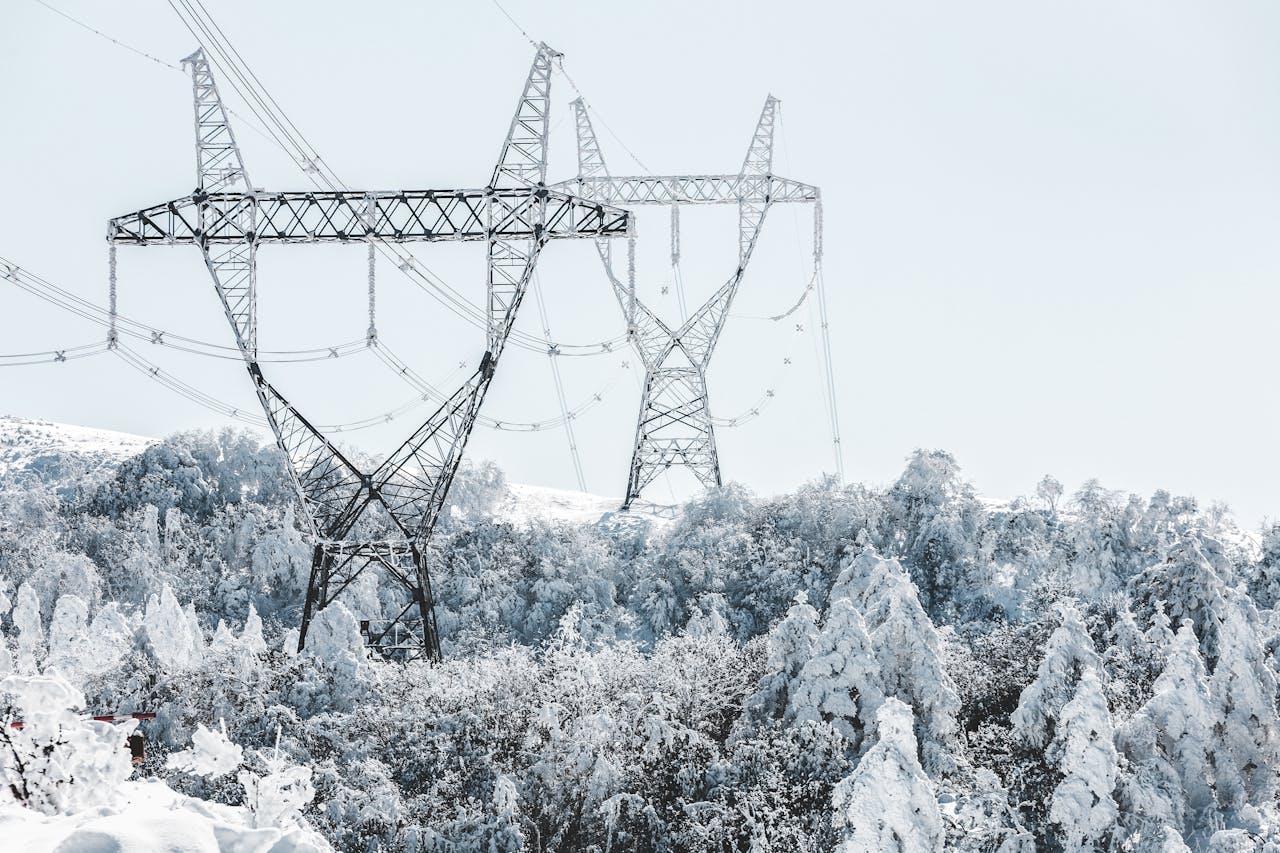
The United States of America has been hit by severe snowstorms that have left many homes without electricity and, as a result, without heating. Experts there estimate that low-voltage underground power lines in Massachusetts would cost 2 to 10 times more than overhead lines. Underground electricity and communication installations are estimated to cost between 4 and 7 million dollars per mile, while overhead installations cost only between 120 thousand dollars and 3.6 million dollars, depending on the terrain.
Source: WBUR
Prepared by Mojca Kosem Avsec, mag. Mechanical Eng.,
inf. spec. for mechanical engineering and manufacturing
They have developed an AI model for spreadsheets
Developers at MIT have developed a new approach to solving Bayesian optimisation. Their models are 10 to 100 times faster than traditional methods. They use a baseline model trained on tabular data as a tool, which automatically identifies relevant variables and iterates the process to focus on better and better solutions. The underlying models are huge artificial intelligence systems trained on large, generic data sets. This allows them to adapt to different applications. The results obtained are also in tabular form.
Source: news.mit.edu
Prepared by Mojca Kosem Avsec, mag. Mechanical Eng.,
inf. spec. for mechanical engineering and manufacturing
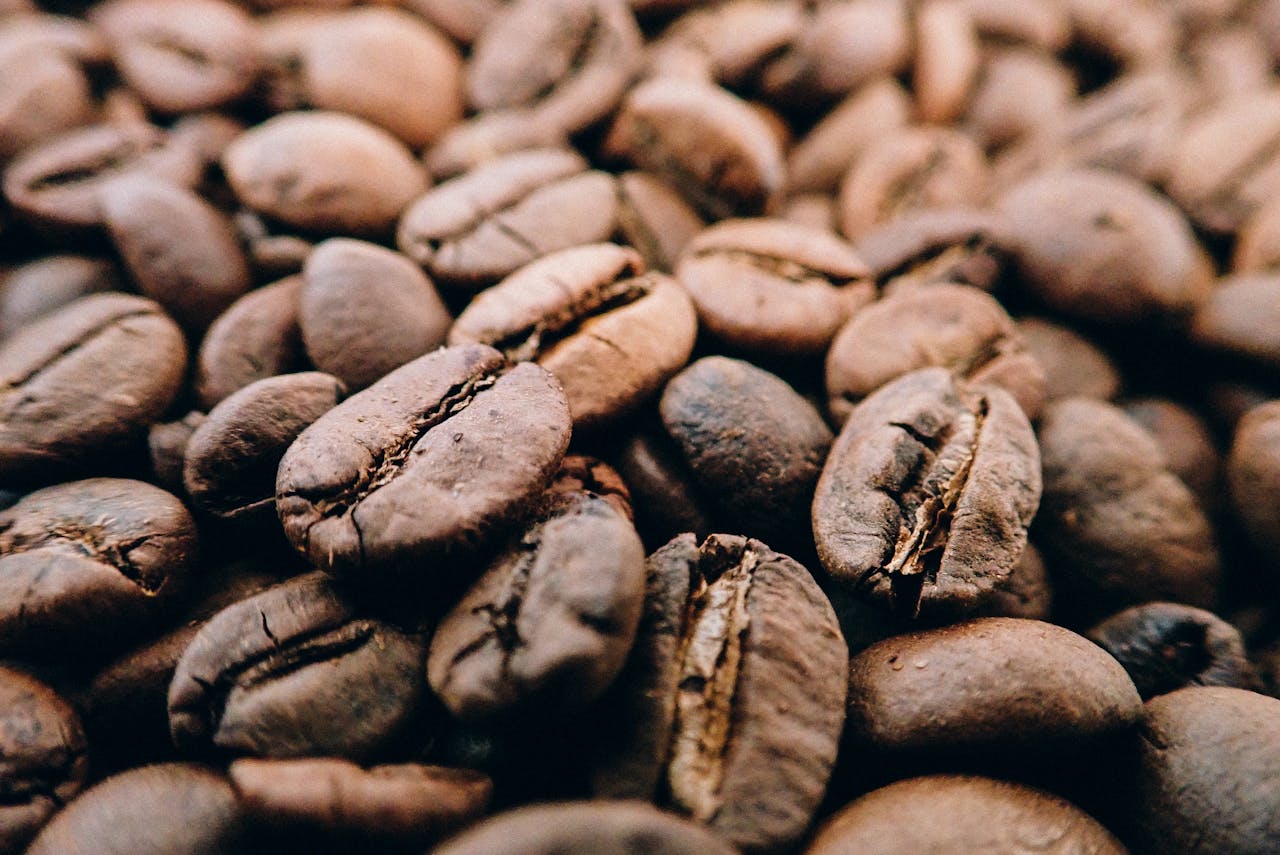
Morning coffee may help fight cancer
Morning coffee can help fight cancer and diabetes.
Caffeine and gene editing using CRISPR creates a system that allows cells to be pre-programmed - and then activated - simply by ingesting a small dose of caffeine from coffee, chocolate or fizzy drinks. The approach, known as chemogenetics, allows scientists to precisely switch on and off gene-editing activity within target cells, including powerful immune T cells that can fight cancer.
Source:Texas A&M University, 28 February 2026
Find out more: https://pubs.rsc.org/en/content/articlelanding/2025/sc/d5sc05703e
Prepared by: dr. Tjaša Urbič, univ. dipl. chem..,
inf. spec. in chemistry and natural sciences
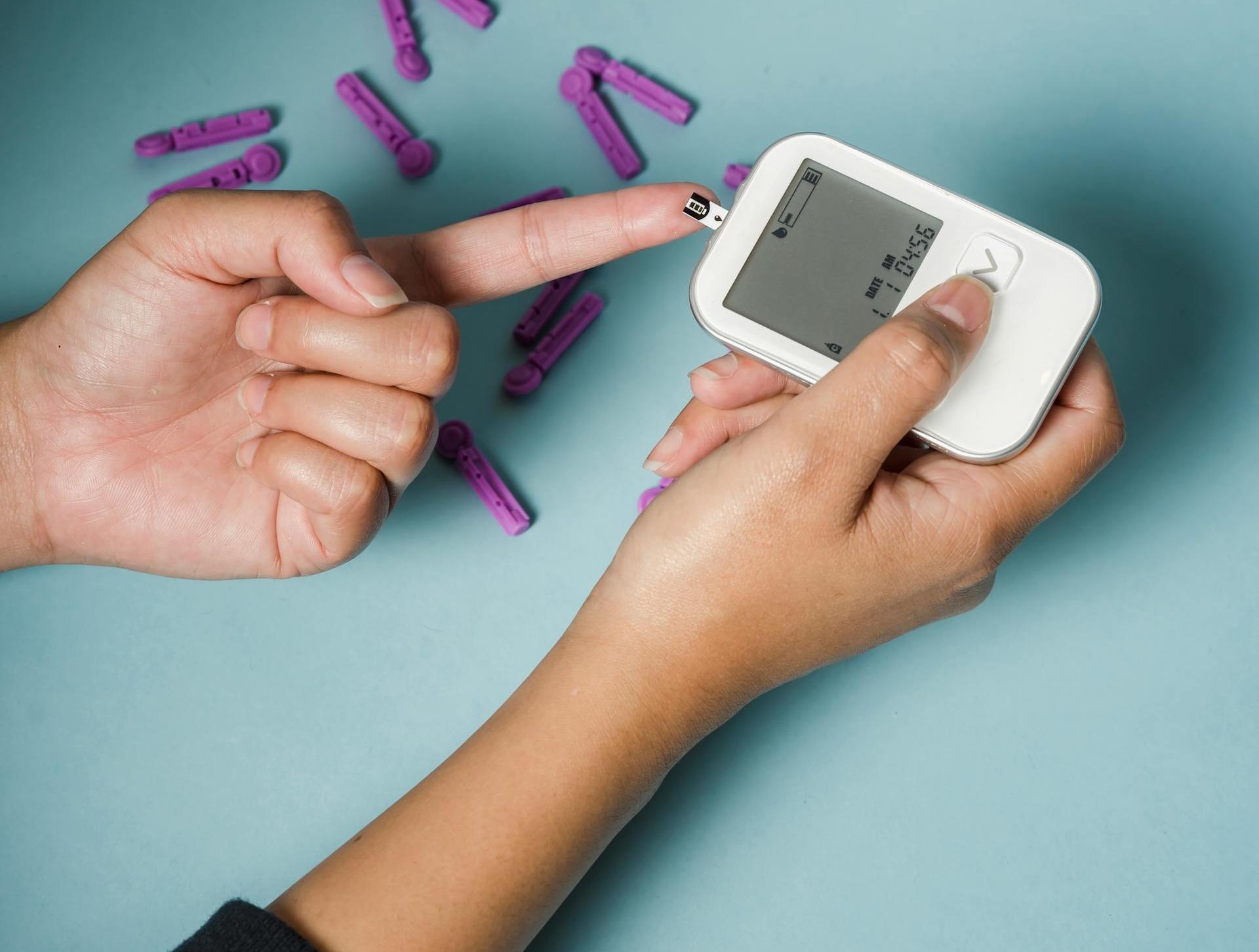
A bold new plan could finally cure type 1 diabetes
A bold new therapy aims to cure type 1 diabetes by restoring insulin cells - and training the immune system to protect them.
Researchers are developing a two-part therapy for type 1 diabetes: laboratory-made insulin-producing cells are combined with specially designed immune cells to protect them. The aim is to prevent the immune system from destroying the transplanted cells, without the use of immunosuppressive drugs.
Source: Medical University of South Carolina, 2 March 2026
Find out more: https://www.musc.edu/
Prepared by: dr. Tjaša Urbič, univ. dipl. chem..,
inf. spec. in chemistry and natural sciences
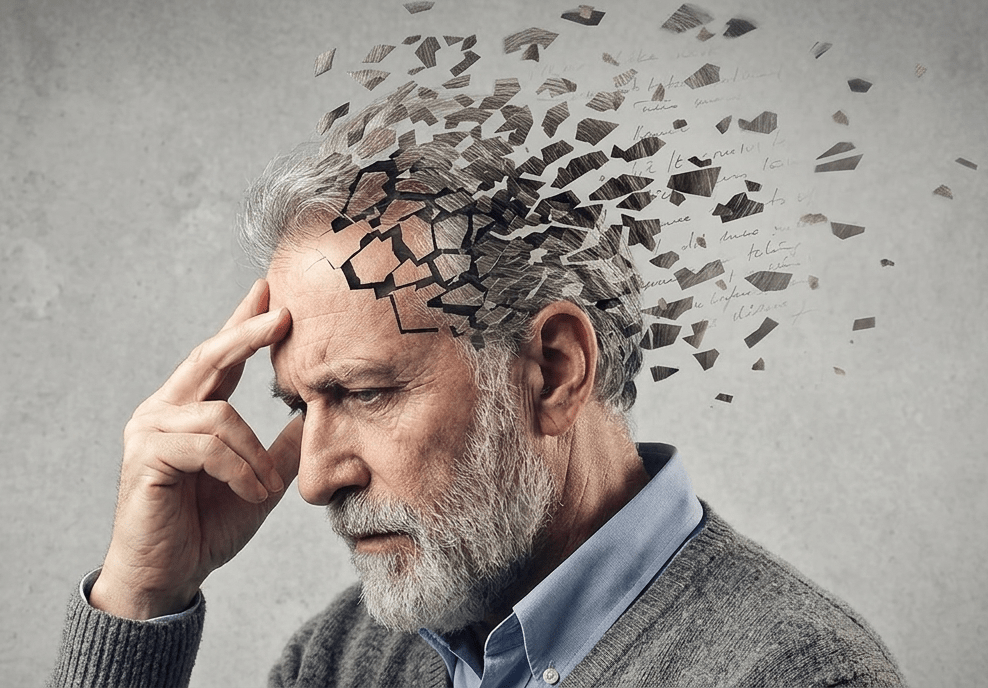
Exercise protects the brain against Alzheimer's disease
Scientists have discovered that exercise can help prevent Alzheimer's disease.
Exercise can sharpen the mind by restoring the brain's protective shield. Researchers have found that physical activity stimulates the liver to release an enzyme that removes a harmful protein that makes the blood-brain barrier permeable with age. In older mice, reducing this protein reduced inflammation and improved memory. The discovery points to a surprising pathway from the body to the brain that could inspire new therapies for Alzheimer's disease. The blood-brain barrier becomes more fragile as we age. This densely packed network of blood vessels normally protects the brain from harmful substances circulating in the bloodstream. Over time, however, it can become permeable, allowing harmful compounds to enter the brain tissue. The result is inflammation, which is associated with cognitive decline and often occurs in disorders such as Alzheimer's disease.
Source: University of California- San Francisco, 20 February 2026
Find out more: https://www.sciencedirect.com/
Prepared by: dr. Tjaša Urbič, univ. dipl. chem..,
inf. spec. in chemistry and natural sciences
Google - research breakthroughs and the next generation of artificial intelligence
In 2025, Google unveiled key research breakthroughs in AI and computing that represent a significant step forward in the capability and understanding of intelligent systems. New models such as Gemini 3 achieve better results in multimodal understanding, inferential reasoning and complex information processing. Gemini 3 Pro has set new standards, while Gemini 3 Flash offers a favourable performance/efficiency ratio.
In addition to basic models, Google is developing agent-based systems that can perform complex tasks without direct human supervision. These agents analyse large volumes of data, synthesise information from different sources and support research workflows such as producing transparency reports and helping to make decisions about the security of information systems.
These efforts are part of a broader strategy by Google to move beyond AI as a tool for keyword search to a system that understands, inferences and supports decision-making in complex scientific and engineering domains. The integration of models into services such as Google Search and Cloud AI extends their practical potential.
Source:
Prepared by Sonja Zagorc Kontić, univ. dipl. Electrical Eng,
inf. spec. in electrical and computer engineering

News from Slovenia
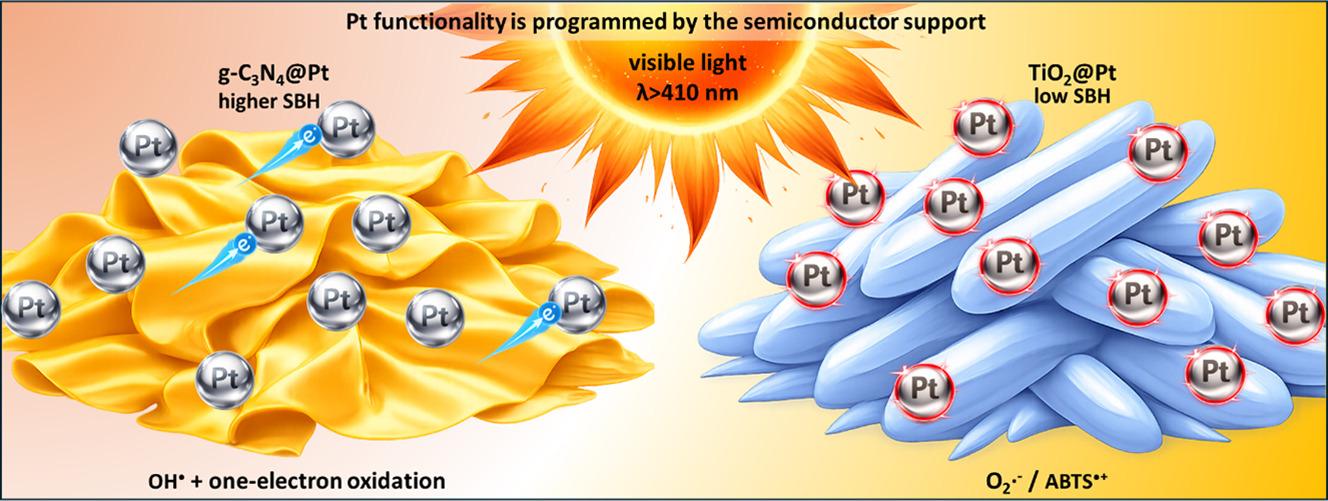
Effect of semiconducting carrier on electronic structure and reactivity of Pt in photocatalysis
The results confirm that the efficiency of the photocatalyst is determined by the interfacial electronics between the metal and the semiconductor. The study provides an important starting point for the rational design of advanced materials for water and air purification.
Researchers from the Department of Inorganic Chemistry and Technology at the Institute of Chemistry, together with colleagues from the University of Nova Gorica and the HUN-REN Centre for Energy Research (Hungary), have shown that the performance of platinum (Pt) nanoparticles in photocatalysis is not universal, but is determined by the semiconductor support.
The influence of interfacial electronics on the catalyst performance was isolated by systematically comparing TiO2 and g-C3N4 materials and depositing the same amount of Pt (1 wt. %) via an identical synthesis route. Advanced spectroscopic and electrochemical characterisation showed that on TiO2 Pt remains predominantly metallic and efficiently generates reactive oxygen species under visible light, while on g-C3N4 strong metal-support interactions stabilise the mixed Pt0/Pt2+ species and reverse the charge transfer and oxidation mechanism.
Source: Institute of Chemistry, 26 February 2026
Find out more: https://www.sciencedirect.com/
Prepared by: dr. Tjaša Urbič, univ. dipl. chem..,
inf. spec. in chemistry and natural sciences
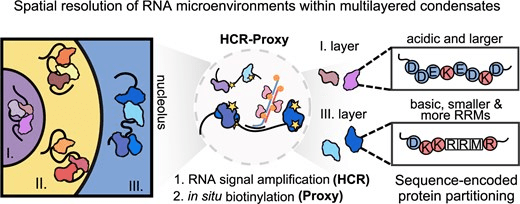
Spatial mapping of RNA microarrays using the HCR-Proxy method
The spatial organisation of molecules allows cells to efficiently manage many biological processes. In addition to membrane organelles, biomolecular condensates are an important unit of organisation. The latter are formed as a result of weak interactions between RNA molecules and RNA-binding proteins. Even the smallest changes in their interaction network can lead to the disruption of cellular processes and, consequently, to the development of various diseases. Despite the many approaches to study protein interactors of target RNA molecules, there remains a need to develop a method capable of spatially resolving interaction partners within multilayered condensates.
Source: Institute of Chemistry, 24 February 2026
Find out more: https://academic.oup.com
Prepared by: dr. Tjaša Urbič, univ. dipl. chem..,
inf. spec. in chemistry and natural sciences
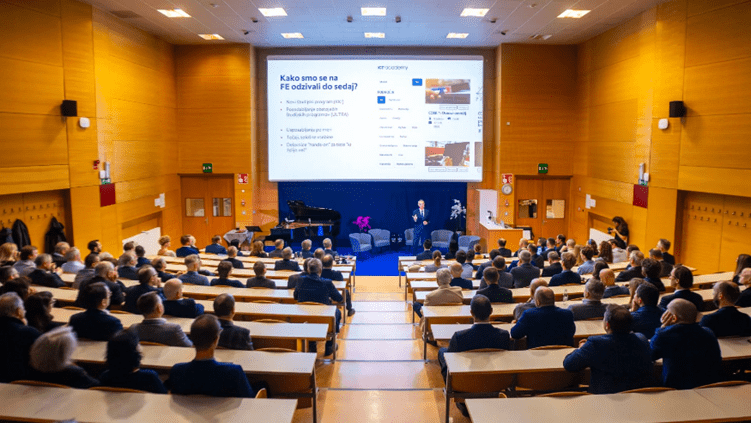
Symphony of Electrical Engineering 2026 - knowledge and human resources as key challenges for the future
The Faculty of Electrical Engineering at the University of Ljubljana hosted the traditional business event Symphony of Electrical Engineering+ 2026 in January 2026, which brings together representatives of business, research institutions and academia. This year's focus was on lifelong learning, knowledge transfer and the development of competences for the future, as electrical engineering and related engineering industries are developing at an extremely fast pace, while the economy is increasingly experiencing a shortage of suitable human resources.
Participants pointed out that the Slovenian economy is already facing a severe shortage of engineers, while technological development requires an increasingly rapid adaptation of skills and new competences. The Dean of the Faculty of Electrical Engineering, Prof. Dr. Marko Topič, stressed that knowledge in the field of engineering is continuously upgraded, and therefore lifelong learning is becoming an important investment for both individuals and companies.
Special attention was also paid to micro-credentials, a new form of short training programmes that certify the acquisition of specific skills and competences. The Minister of Higher Education, Science and Innovation, Prof. Dr. Igor Papič, pointed out that Slovenia is one of the first countries in Europe to have established a functioning system of micro-credentials. Their purpose is for the economy to propose the content of further education and for faculties to prepare targeted programmes tailored to market needs.
At the event, the Head of the Telecommunications Laboratory, Prof. Andrej Kos, pointed out that electrical engineering and related industries are evolving very rapidly, while traditional educational cycles often do not keep pace with these changes. In times of demographic change and a shortage of professionals, knowledge is therefore becoming one of the key strategic investments, and new forms of education are an important way of adapting to the needs of the modern economy.
Source:
Prepared by Sonja Zagorc Kontić, univ. dipl. Electrical Eng,
inf. spec. in electrical and computer engineering
News from UL
An innovative approach to monitoring wear in composite gears
LECAD researchers (Faculty of Mechanical Engineering, UL) have developed a new approach to wear monitoring of polymer-composite gears, which focuses on the analysis of wear particles instead of the gear surface. The study, published in the journal Wear, shows that the analysis of microplastic particles can reliably and reproducibly identify wear patterns. In the paper, the researchers present a methodology based on digital microscopy and computer image analysis.
Source: Faculty of Mechanical Engineering UL
Prepared by Mojca Kosem Avsec, mag. Mechanical Eng.,
inf. spec. for mechanical engineering and manufacturing


News about Open Science
Round table Science in the hands of the people: can we (also) fund it?
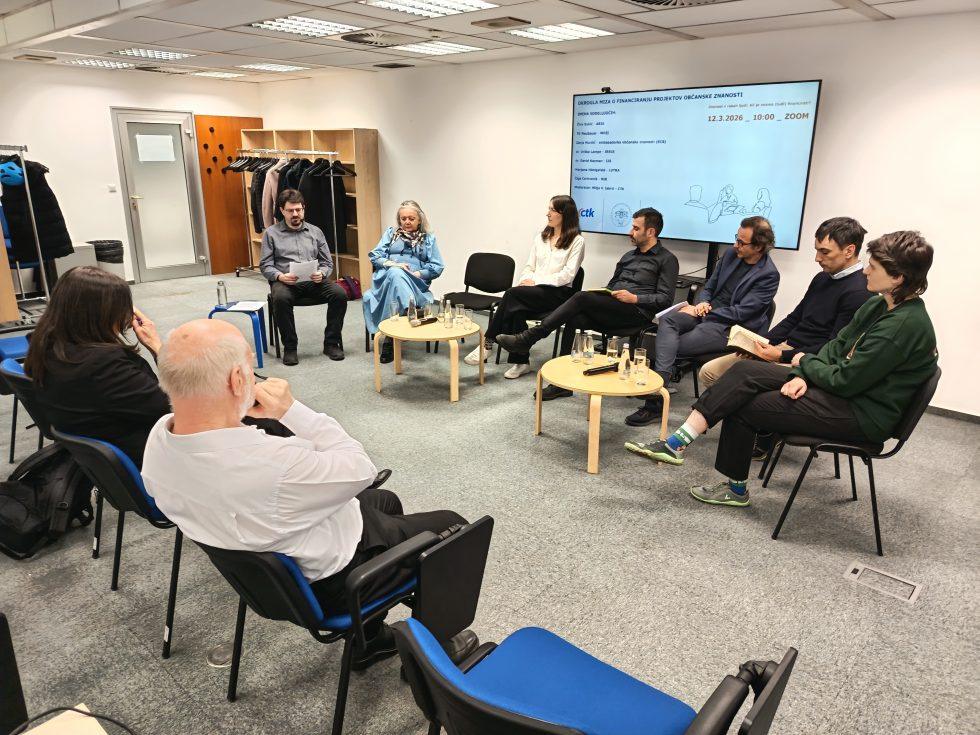
The Citizen Science Network, in collaboration with the Central Technical Library of the University of Ljubljana, organised a debate on one of the key issues in citizen science: how to ensure sustainable and inclusive project financing, where representatives of funders, policy makers and research organisations sought to answer questions such as (among others):
- How to financially support citizen science projects in our country?
- Where to find financial support?
- What has been your experience so far with ARIS calls for proposals?
On 12 March 2026, Živa Sukič (ARIS), Tit Neubauer (MVZI), Zarja Muršič (Citizen Science Ambassador), Dr Urška Lampe (IRRIS), Dr David Kocman (IJS), Marjana Hönigsfeld (LUTRA) and Žiga Cerkvenik (NIB) held a discussion on the funding of citizen science in Slovenia at the CTK. The discussion focused on the following challenges:
- the need to make calls for tenders more accessible to NGOs and smaller initiatives,
- Recognising and funding coordination and volunteering work,
- the importance of stable, multi-year funding for community development,
- clearer evaluation criteria and greater involvement of citizen science experts,
- adapting calls to different scientific disciplines,
- the need for pre-financing mechanisms for smaller organisations.
The event highlighted that citizen science brings immense value to society, but without appropriate funding models it is difficult to reach its full potential - long-term support and the involvement of different actors is key. The event is another step towards creating a more inclusive research space where research institutions, communities, associations and individuals can work together.
You can view the recording at ARNES Video at CTK.
Organised by the Citizen Science Network and the Central Technical Library of the University of Ljubljana (CTK).
Source: Citizen Science Network
Questionnaire on the use of the right of secondary publication in practice
We kindly ask you to fill in the following form Questionnaires on the use of the right of secondary publication in practice You are helping to explore the knowledge of copyright in the scientific community. The questionnaire will take you approximately 5 to 15 minutes to complete and we are collecting responses until 9 April 2026.
The questionnaire is aimed at researchers and support professionals who are an important part of the research community and who help researchers publish their research results in open access (e.g. data scientists, librarians, repository managers and other professionals).
Our aim is to use your responses to gather and analyse information on the implementation of the law, in particular with regard to the retention of copyright to ensure open access to research results. Rights Retention) and the exercise of the right of secondary publicity. Secondary Publication RightThe data collected will be used to improve support services for researchers in their scientific research work, following the principles of open science.
The questionnaire was prepared by the Central Technical Library of the University of Ljubljana (CTK) and the University Library of Maribor (UM UKM) in the framework of the Open Science Action Plan for the implementation of Action 6.2 of ReZrIS30.
Thank you for your cooperation!
Source: Open Library

Econovice
News headline
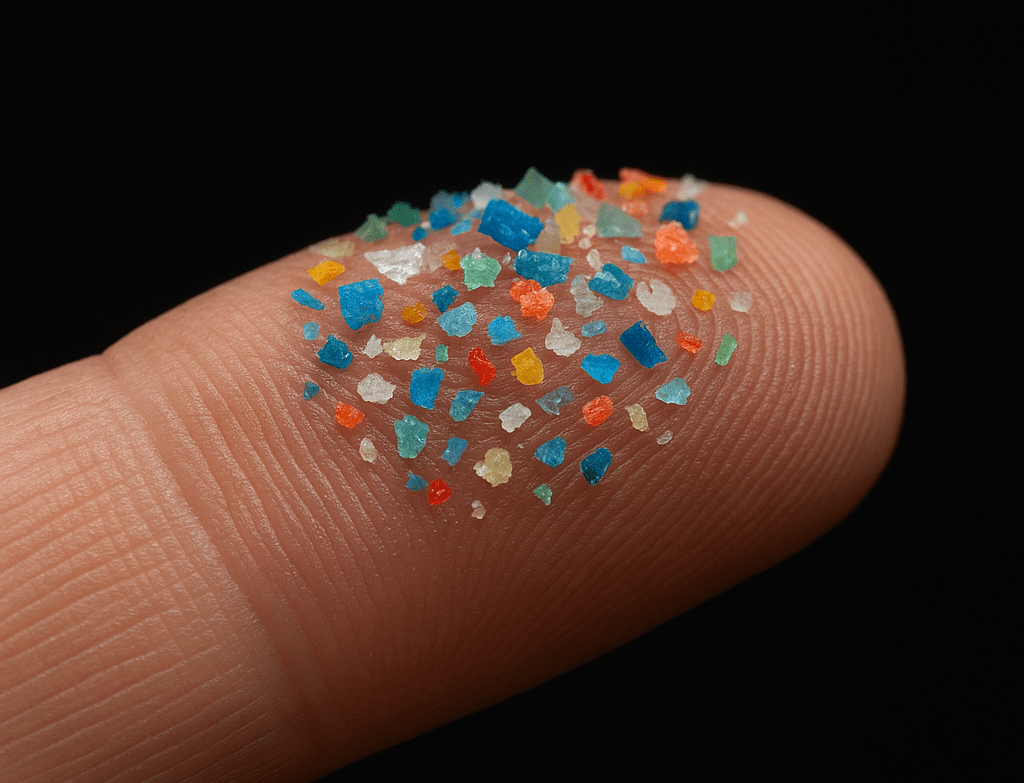
Urban air is filled with a shocking amount of floating plastic
Plastic pollution is not only in the oceans and in the ground. Scientists have discovered huge amounts of microscopic plastic floating in urban air. Road dust and precipitation play an important role in moving these particles through the atmosphere.
Microplastics (MP) and nanoplastics (NP) have become one of the most important forms of environmental pollution in the last 20 years. Plastic pollution is not only present in the oceans and soil. These tiny plastic particles have been found in all major parts of the Earth system, including the atmosphere, hydrosphere, lithosphere and biosphere. Researchers have discovered that urban air contains far more microplastics and nanoplastics than previously thought. Road dust and precipitation play an important role in moving these particles through the atmosphere.
Source: Chinese Academy of Sciences Headquarters, 12 January 2026
Find out more: https://www.science.org/
Prepared by: dr. Tjaša Urbič, univ. dipl. chem..,
inf. spec. in chemistry and natural sciences
Half of the Amazon's insects could face dangerous heat stress from global warming
The findings, published in Nature, show that tropical insects have only a limited capacity to adapt to a warming climate.
A major new study of more than 2,000 insect species reveals a worrying reality: many insects may be far less able to cope with rising temperatures than scientists had once hoped. The researchers found that while some species living at higher altitudes may temporarily increase their tolerance to heat, many insects in the tropical lowlands, where biodiversity is highest, lack this adaptability. As insects play a vital role as pollinators, decomposers and predators, their vulnerability could extend to entire ecosystems.
Source: University of Würzburg, 5 March 2026
Find out more: https://www.nature.com/
Prepared by: dr. Tjaša Urbič, univ. dipl. chem..,
inf. spec. in chemistry and natural sciences

Antarctica has just experienced the fastest glacier collapse ever recorded
In one of the fastest glacier retreats ever seen, Antarctica's Hectoria Glacier lost almost half its ice in just two months after rising from the flat seabed.
The Antarctic glacier Hectoria has stunned scientists by retreating eight kilometres in just two months, with almost half of it collapsing in record time. The rapid disintegration was caused by a flat, underwater rock surface that allowed the glacier to suddenly float and break off from below. Satellite and seismic data captured the dramatic chain reaction in near real time. The findings raise concerns that much larger glaciers could one day collapse just as quickly.
Source: University of Colorado at Boulder, 26 January 2026
Find out more: https://www.nature.com/
Prepared by: dr. Tjaša Urbič, univ. dipl. chem..,
inf. spec. in chemistry and natural sciences

Advances in electricity storage - new systems and materials for greater efficiency
Developing technologies for electricity storage is one of the key challenges of modern electrical and energy engineering. In recent years important developments in this area, promising higher energy efficiency, longer system lifetimes and more reliable networks.
One promising approach is Liquid Air Energy Storage (LAES), a system that uses liquid air to store energy. A project with a capacity of 50 MW / 300 MWh, allowing large amounts of electricity to be stored and released when needed. The advantage of LAES technology lies mainly in long lifetime (40-50 years) and minimal degradation common in traditional lithium-ion batteries.
In addition Wide-Bandgap (WBG) semiconductors, such as silicon carbide (SiC) and Gallium nitride (GaN), enable more efficient energy conversion and management in high-performance systems. These materials are essential for power converters, electric motors for electric vehicles and renewable energy systems, as they provide lower heat losses, higher breakdown voltage and faster switching. This reduces energy losses and increases the capacity of electricity systems.
Research also shows that new storage materials and technologies are important for the stability of the electricity grid, especially during periods of increased demand or reduced renewable generation. Systems such as LAES, combined with WBG components, allow for the integration of larger shares of solar and wind power into the grid, while ensuring fast response and reliability.
Advances in electricity storage are therefore not only influencing technological and engineering solutions, but also sustainable energy strategy, enabling efficient use of energy and reducing dependence on fossil fuels.
Source:
- Liquid Air Energy Storage - BorntoEngineer, 2026
- Recent advances in WBG semiconductor switches - ECST, 2025
- Wide Bandgap Monthly Insights - SiC/GaN power electronics, 2025
Prepared by Sonja Zagorc Kontić, univ. dipl. Electrical Eng,
inf. spec. in electrical and computer engineering

Book novelties
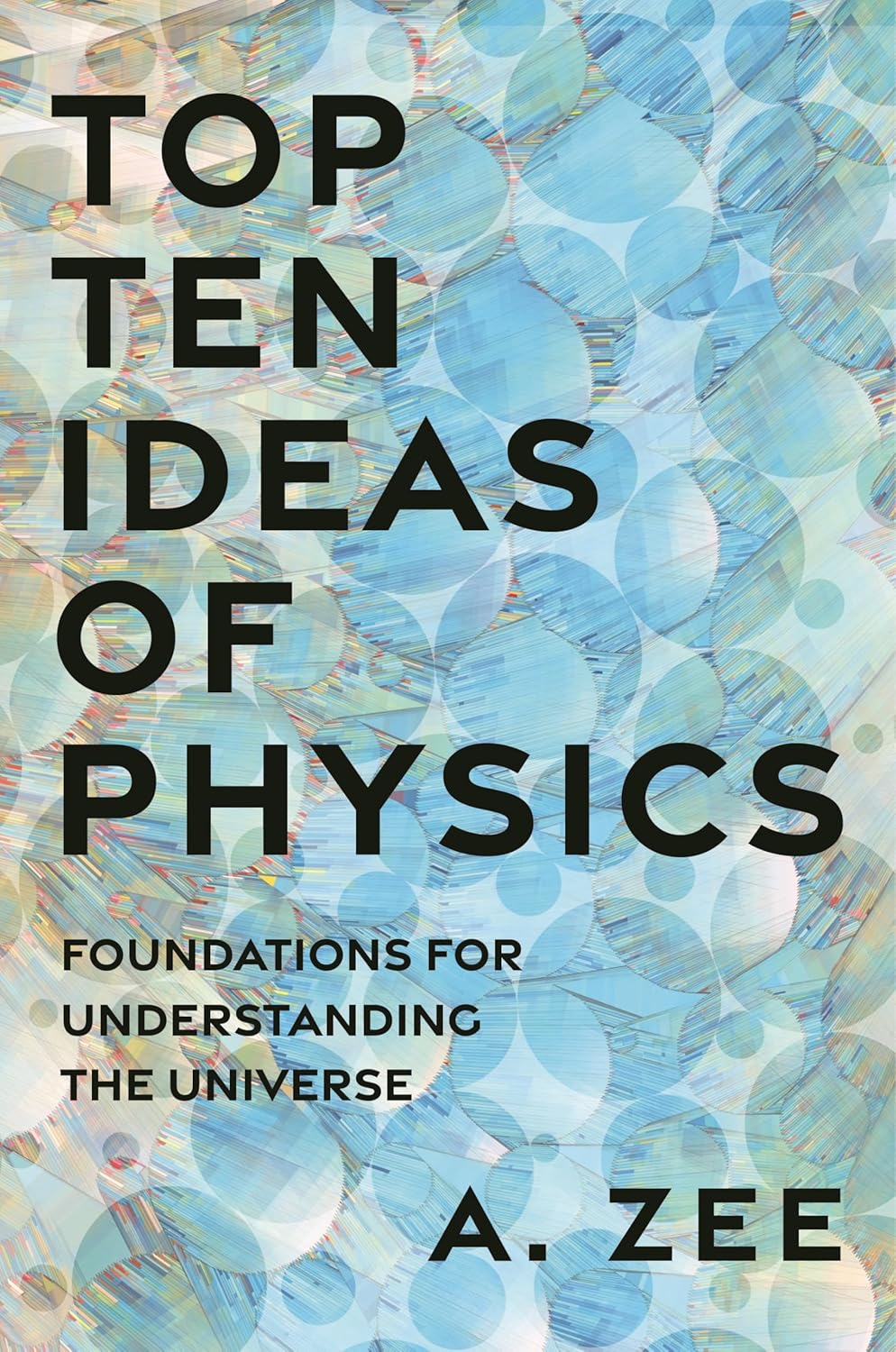
Top Ten Ideas of Physics: Foundations for Understanding the Universe
Author: Anthony Zee
Scope: physics, space
ContentDescription : The Ten Most Important Ideas in Physics tells a story that will delight readers by explaining the meaning of each idea and how it came about. Top of the list are the ideas that the physical world is understandable and that the laws of physics are the same here, there and everywhere. As the story unfolds, the seemingly solid world dissolves into an intertwining web of dancing fields that show increasing symmetries when examined at deeper levels. Readers learn how physical truth is universal, not relative, and how the forces in the multiverse are not scattered parts, but an indivisible unity - a vision that is only partially realised today.
RecommendationFor anyone interested in physics and new ideas.
Information Specialist: dr. Tjaša Urbič, univ. dipl. chem..,
inf. spec. in chemistry and natural sciences
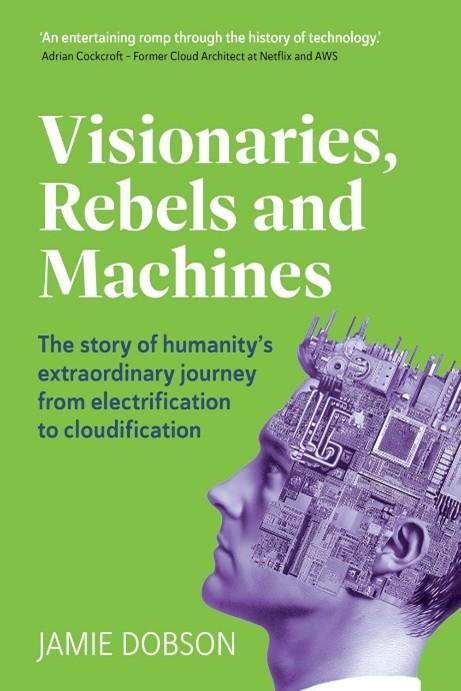
Visionaries, Rebels and Machines: The Story of Humanity's Extraordinary Journey from Electrification to Cloudification
Author: Jamie Dobson
Scope: computer science, history of technology
Content: Visionaries, Rebels and Machines is a gripping and highly readable account of the evolution of technology - from the first breakthroughs in electrification to the modern world of artificial intelligence and cloud computing. Author Jamie Dobson takes the reader on a dynamic journey through key turning points in technological history, revealing how curiosity, daring, perseverance and even chance have shaped today's digital world.
This work is not just a cursory survey of technological achievements, but highlights the people - the visionaries, the rebels and the innovators - who pushed the boundaries of what was possible with risky choices and courage. Through fascinating stories of eccentric scientists, entrepreneurs and programmers, the author shows how failures, trials and errors often paved the way for the greatest breakthroughs. Special emphasis is placed on understanding the development of cloud computing, automation and artificial intelligence and their impact on modern society.
The book helps the reader to understand how interconnected inventions have triggered a chain reaction of innovation and how past developments guide the future. At the same time, it encourages reflection on where technological progress is taking us and how individuals and organisations can remain competitive in a rapidly changing environment.
Recommendation: This book is an excellent choice for anyone interested in the history of computing, the development of modern technologies, and the broader societal impact of digital transformation. It is suitable for both professionals and the general public who want to better understand the technological world of today.
Information Specialist: Sonja Zagorc Kontić, univ. dipl. Eng. in Electrical Engineering,
inf. spec. in electrical and computer engineering
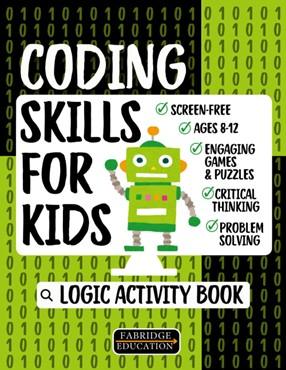
Coding Skills for Kids - Logic Activity Book: Problem Solving & Critical Thinking
Author: Fabridge Education
Scope: programming, STEM, logical thinking
Content: Coding Skills for Kids is a fun and interactive guide for children who want to develop basic coding skills and critical thinking. Through 40 different activities divided into 10 units, children learn key programming concepts such as algorithms, loops, conditions and debugging, while strengthening logical and strategic thinking. Activities include pattern recognition, counting, drawing, colour games and puzzle solving, all designed to encourage creativity and independent problem solving.
The book is designed to be child-friendly - colourful, clear and visually appealing, making learning fun and motivating. Answers and solutions are also included, allowing children to learn without frustration and check their results independently.
Recommendation: This work is ideal for children aged 8-12 who want to learn the basics of programming in a playful and creative way, improve their logical thinking and develop problem-solving skills that will be useful in everyday life.
Information Specialist: Sonja Zagorc Kontić, univ. dipl. Eng. in Electrical Engineering,
inf. spec. in electrical and computer engineering
Publisher: Central Technical Library of the University of Ljubljana, Trg republike 3, 1000 Ljubljana
Editor: Dr Tjaša Urbič (tjasa.urbic@ctk.uni-lj.si)
Technical EditorDarko Majcenovic (darko.majcenovic@ctk.uni-lj.si)
Text reviewed by: Jože Brišnik
ISSN: 2820-445X
E-bulletin CTK is the newsletter of the Central Technical Library of the University of Ljubljana.
If you would like to share interesting information about your work on the CTK E-bulletin with others, please send it to us. Please address your contributions to the e-bulletin editor (tjasa.urbic@ctk.uni-lj.si).
