

Engineering and Life Sciences News | Volume 4, Issue 1, March 2025
A word from the editor
CTK has a number of resources that give you access to the latest standards and guidelines needed by researchers, engineers and entrepreneurs. Our collection includes both international and national standards, which are continually updated to reflect advances and changes in technology and industry. Here, anyone can find the materials they need to align their research, products or services with current standards.
Our library is here to help you along the way, supporting you to explore, understand and apply the standards that are key to progress, quality and success in today's world.
You are also invited to the exhibition "A safe world - with standards", which CTK is preparing together with the Slovenian Institute for Standardisation (SIST) and which will be opened on 26 March at the library.

Content:
Invitation to the exhibition "A safe world - with standards objet"

News from around the world
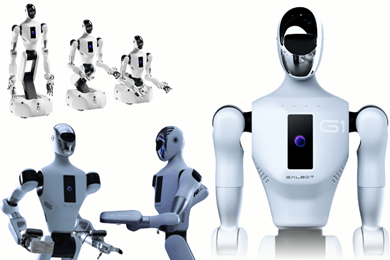
Chinese humanoid robots take over CES 2025
China's humanoid robots attracted the most attention at CES 2025, the International Consumer Electronics Show held in Las Vegas, USA, from 7-10 January, further demonstrating China's leadership in technological innovation. Chinese companies such as Robotera, Agibot, Fourier, Galbot, Unitree and XPENG showcased advanced humanoid robots that impressed trade fair visitors. The development of humanoid robots has experienced rapid growth in recent years, mainly due to advances in artificial intelligence and machine learning.
Humanoid robots are becoming increasingly capable of learning, adapting and performing tasks in a wide range of industrial and societal sectors. With advances in generative artificial intelligence, robots can now mimic human actions and learn from experience. At CES 2025, it was possible to see a number of robots that will play an important role in the future in areas such as elderly care, home assistance, logistics, catering and even the military.
Humanoid robots are evolving rapidly due to increased investment in research and development and growing demand, which is reflected in a growing market. In 2023, the global market for humanoid robots was worth US$ 2.43 billion, and is expected to grow to US$ 66 billion by 2023. The main growth drivers are labour shortages, an ageing population and the need for automation in various industrial sectors.
Chinese companies such as UBTech Robotics are already developing humanoid robots for various industries including automotive and logistics, while the Chengdu Innovation Centre is working on advanced technology for humanoid robots. In addition, China is also supporting the development of robotics through the establishment of a $1.4 billion special fund for robotics, which will promote technological innovation and accelerate the commercialisation of these advanced technologies.
Find out more:
Prepared by Sonja Zagorc Kontić, univ. dipl. Electrical Eng,
inf. spec. in electrical and computer engineering
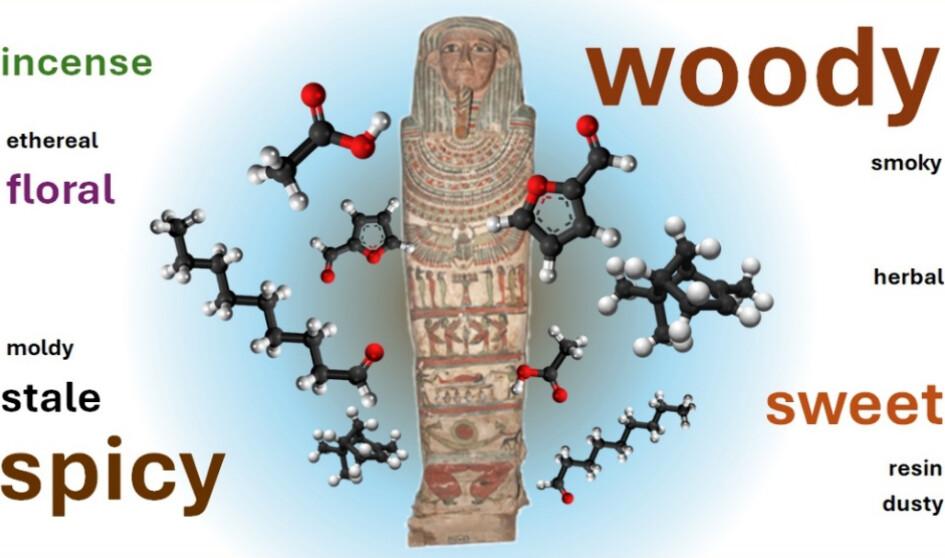
Ancient Egyptian mummies smell of wood, spices and sweet
A new study by researchers from UCL and the University of Ljubljana finds new details about mummification methods.
In a study published in the Journal of the American Chemical Society (JACS), researchers have for the first time systematically examined the odours of mummified corpses by combining a mixture of instrumental and sensory techniques, including an electronic "nose" and trained human "sniffers". Nine ancient Egyptian mummies were studied.
This new information has opened up insights into the materials used in mummification and the evolution of practices and ingredients, and also reveals details about how these ancient remains are stored in museums.
It is hoped that by using this type of chemical analysis, conservators will be able to safely preserve and protect these ancient artefacts, along with their unique scents.
Source: University College London, 14 February 2025
Find out more: pubs.acs.org
Prepared by: dr. Tjaša Urbič, univ. dipl. chem..,
inf. spec. in chemistry and natural sciences
Ancient genomes reveal that women were more important in Iron Age society
This ground-breaking study uncovers evidence that land in Iron Age Britain was inherited through the female line, with husbands moving to the wife's community. This is believed to be the first such case documented in European prehistory.
The researchers took the rare opportunity to sequence the DNA of many members of one community. They obtained more than 50 ancient genomes from a series of burial sites in Dorset, southern England, which were in use before and after the Roman conquest in 43 AD. The results revealed that this community was centred on links through the female line.
Source:Trinity College Dublin, 15 January 2025
Find out more: nature.com
Prepared by: dr. Tjaša Urbič, univ. dipl. chem..,
inf. spec. in chemistry and natural sciences

Key differences in men's and women's responses to stress
New studies by researchers at UF Health have discovered why men and women experience stress differently. They have also found out how the brain's molecular mechanisms adapt to acute challenges.
The brain produces a neurosteroid called allopregnanolone, or AP, in response to acute stress - a brief but intense reaction to a sudden challenge or threat. Elevated levels are a key part of the body's initial response to stress, helping individuals to adapt quickly and regulate their reactions. For example, when faced with stressful events such as imminent danger, elevated levels of AP increase focus and energy, helping individuals to stay on track and respond effectively.
The production of AP depends on an enzyme called 5α-reductase, or 5αR, which exists in two main forms: 5αR1 and 5αR2. Animal studies by researchers at the UF College of Pharmacy have revealed how these enzymes work and highlighted biological differences in stress responses between men and women.
Men are generally more prone to show outward, aggressive reactions, while women are much more prone to internalise their responses. This difference is thought to contribute to the higher prevalence of anxiety and depression in women.
The study showed that acute stress increases 5αR2 levels in the forebrain of male laboratory rats - but not 5αR1. Female rats showed no such change, suggesting a significant sex-specific difference. The researchers have thus identified the possibility of stress management at the molecular level. The researchers found that 5αR2 is essential for AP production during stress, while 5αR1 helps maintain baseline levels of this neurosteroid.
Source: University of Florida, 13 February 2025
Find out more: science.org
Prepared by: dr. Tjaša Urbič, univ. dipl. chem..,
inf. spec. in chemistry and natural sciences

A comprehensive source of information on human metabolism - the Human Metabolome Database (HMDB)
Since its launch in 2007, the Human Metabolite Database (HMDB) has been a key resource for researchers, providing comprehensive reference information on human metabolites and their biological, physiological and chemical properties.
The Human Metabolome Database (HMDB) is freely accessible an online database containing detailed information on more than 220,000 metabolites (products of metabolism) in the human body, and 8,600 protein-related (enzymes and transporters). It is aimed at research in medicine, biochemistry, pharmacy and nutritional science, providing insights into metabolic processes and their relationship to disease, nutrition and drugs.
Each record in the HMDB contains detailed information on chemical properties, biological role, concentrations in various body fluids and related diseases. The database allows advanced searching of text, chemical structures and biological sequences, and is linked to many other databases such as KEGG, PubChem, ChEBI, UniProt and GenBank.
In addition, the HMDB is part of a wider ecosystem of databases, including DrugBank (medicines and their metabolites), T3DB (toxins), SMPDB (metabolic and disease pathways), and FooDB (food ingredients).
HMDB follows the principles of FAIR (findability, accessibility, interoperability and reusability), which means that the data is rigorously organised, linked and easily accessible to researchers. Its comprehensiveness and accuracy make it a key resource for understanding metabolic processes, identifying biomarkers and developing new therapeutic approaches.
The database can be accessed at: https://www.hmdb.ca/
Part of the content of this article was created using ChatGPT, version February 2025
Prepared by Breda Simončič, univ. dipl. bibl. and prof. soc.
News from Slovenia
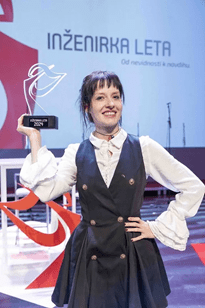
Rebeka Koprivšek Leskovar is Engineer of the Year 2024
Rebeka Kropivšek Leskovar, a development engineer at Interblock Group, is the recipient of the Engineer of the Year 2024 award for her career path that combines a spirit of research, an ethical attitude towards technology and a focus on people. Her work in the field of machine vision applications is a role model for younger generations, especially girls, as she proves that it is possible to stay true to yourself and create innovations that improve everyday life.
The Minister of Higher Education, Science and Innovation, Dr Igor Papič, addressed the ceremony at Cankarjev dom, which was also attended by the Minister of Education, Dr Vinko Logaj, and the Minister of Digital Transformation, Mag. Ksenija Klampfer. Dr Igor Papič stressed the importance of innovation for society and encouraged young people to seek new solutions. Medeja Lončar from Siemens stressed that technological breakthroughs are as much about human and social contributions as they are about gender and talent. Zdravka Zalar, the new President of the "We Will Be Engineers!" project, highlighted the importance of technical knowledge and encouraged young people to choose this field of education.
The selection process, which involved different juries, includes 10 nominees, among whom Rebeka Kropivšek Leskovar stood out as an inspiration for future female innovators.
Source: inzenirka-leta.si
Prepared by Sonja Zagorc Kontić, univ. dipl. Electrical Eng,
inf. spec. in electrical and computer engineering
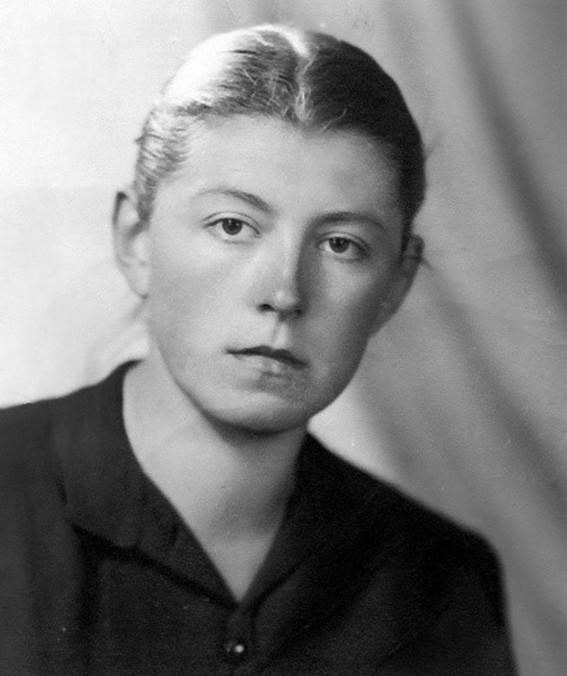
Snegulka Detoni, the first Slovenian physicist, lecturer and chemist, who focused on hydrogen bond research
Snegulka Detona holds an important place among women scientists, as she was the first female researcher and university lecturer in physics in Slovenia, who was also active in the field of chemistry.
Snegulka Detoni was born on 22 May 1921 in the Notranjska region, in the village of Begunje near Cerknica. She spent part of her youth in her native village, then moved to Ljubljana to study. After graduating from high school, she enrolled at the Institute of Chemistry of the Faculty of Technology.
Snegulka Detoni completed her studies in 1944 as the first graduate of physics professor Anton Peterlin with a thesis on the optical properties of starch solutions entitled Toxic double fracture of starch solutions. She found her first job in 1945 at the Institute of Bacteriology of the Faculty of Medicine. In 1946, at the invitation of the renowned physics professor and later academician Anton Peterlin (1908-1993), Snegulka Detoni took up a position at the Department of Physics of the Faculty of Technology. She has devoted herself to hydrogen bonding research using vibrational spectroscopy and to the preparation of suitable compounds and crystals. She has studied the infrared and Raman spectra of organic molecules with S-O, Se-O, P-O and C-N bonds and organic acids with strong and weak bonds. As a continuation of the work started for her degree, she drew up a plan for the construction of a Couette camera for measuring string double-breaks, which was to be built in the Mechanical Engineering Department of the Faculty of Engineering, but the construction was too slow. In 1954, she moved to the Department of Structural Chemistry and, under the mentorship of the chemist, educator and later academic Dusan Hadži (1921-2019), she started researching the structure of sulfinic acids. She defended this topic in her doctoral thesis in 1956, the first female scientist to receive a PhD at the Faculty of Technology (only Vida Tišler Kuhelj received her PhD in 1957).
Anton Moljk became Snegulka's life companion, whom she married at a ripe old age, but they had no children. She died on 14 January 2016 at the age of 94 in a senior citizens' home in Bokalci. She was buried in the cemetery in her birthplace Begunje near Cerknica.
Source: Institute of Chemistry, 10 February 2025
Find out more: www.ki.si
Prepared by: dr. Tjaša Urbič, univ. dipl. chem..,
inf. spec. in chemistry and natural sciences
Slovenia becomes a full member of the ECE
Slovenia became a full member of the European Space Agency (ESA) on 1 January 2025, a major milestone for the Slovenian space sector, but also for the wider economy and science. "The ESA now has 23 Member States. This is a historic day for both the ESA and your country. Let me remind you that the last time we welcomed a new member was ten years ago," said Josef Aschbacher, Director General of ESA.
The space industry is changing rapidly. So far, more than 40 Slovenian companies, development institutes and three Slovenian universities are involved in the development of space technologies, which will now have even more opportunities to be involved in European space programmes and thus to develop space technologies and applications.
Source: delo.si (accessed 18 February 2025)
Prepared by Mojca Kosem Avsec, mag. Mechanical Eng.,
inf. spec. for mechanical engineering and manufacturing
Immunogenic cell death in the fight against cancer
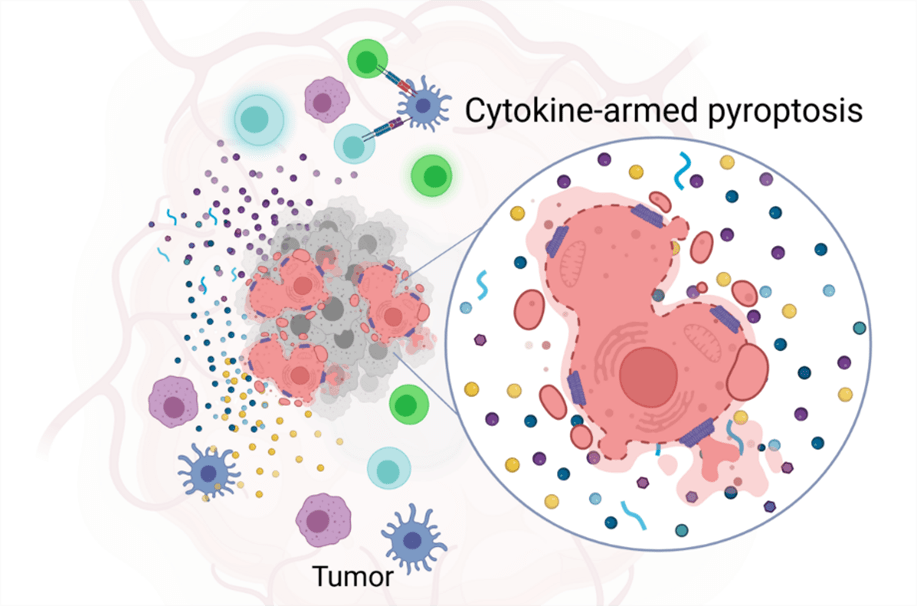
Precise control of cells in deep tissues remains a major challenge. Ultrasound represents a promising solution for in vivo therapeutic applications as it allows non-invasive stimulation of cells with high spatial and temporal precision.
Inflammasomes cause the secretion of inflammatory cytokines and pyroptosis, the death of the infected cell. Their dual action makes them a powerful defence tool of the innate immune system in the fight against harmful microbes. Cancer cells, however, have invented many ways to hide from the immune system, allowing disease to develop. Following the example of inflammasomes, researchers at the Institute of Chemistry have developed a new therapeutic approach, cytokine-enriched pyroptosis, whereby tumours are first induced to secrete immunostimulatory cytokines locally, and then immunogenically induce cell death of the cancer cells.
Source: Institute of Chemistry, 15 January 2025
Find out more: nature.com
Prepared by: dr. Tjaša Urbič, univ. dipl. chem..,
inf. spec. in chemistry and natural sciences
Soft recognition of DNA by the transcription factor HigA2 from Vibrio cholerae
Researchers San Hadji, Zala Živič, Uroš Zavrtanik and Jurij Lah from the Department of Physical Chemistry, Faculty of Chemistry and Chemical Technology, University of Ljubljana, together with colleagues from the Institute of Chemistry and the University of Brussels (VUB), have published a paper in Nature Communications entitled Fuzzy recognition of DNA by the prokaryotic transcription factor HigA2 from Vibrio cholerae.
The classical view of identifying biological molecules is based on the key-lock analogy, according to which the specific binding of molecules is due to their structural and chemical complementarity. Later, this view was extended to binding involving structural change (induced fit), but even in this case a structurally well-defined complex is formed. More recently, however, it has become apparent that there is another way, so-called fuzzy binding, where one of the partners in the complex retains a high degree of dynamics.
Source.
Find out more: nature.com
Prepared by: dr. Tjaša Urbič, univ. dipl. chem..,
inf. spec. in chemistry and natural sciences
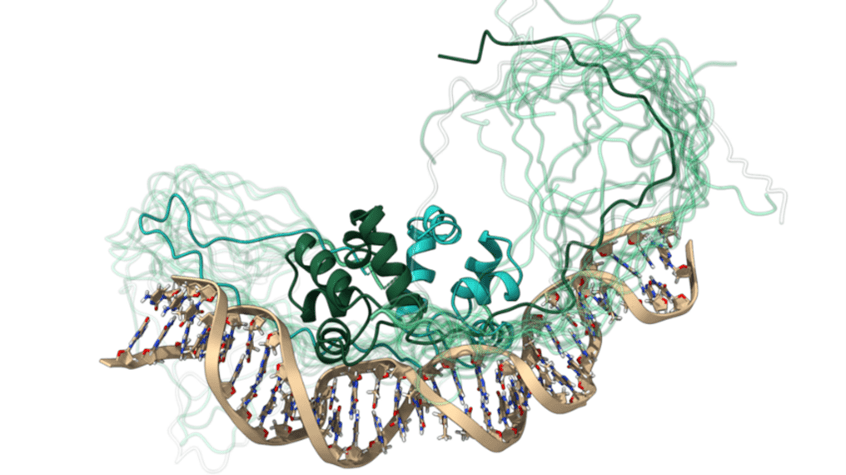
Photo source: fkkt.uni-lj.si
The role of oxalic acid in paper degradation clarified
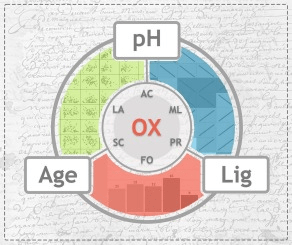
Researchers from the Faculty of Chemistry and Chemical Technology, University of Ljubljana, Dr Hend Mahgoub, Dr Ida Kraševec, Aleksander Kravos, Dr Klara Retko, Prof. Dr Irena Kralj Cigić and Prof. Dr. Dr. In a study of 89 paper samples made between 1844 and 1990, Dr. Matija Strlič found that oxalic acid accumulation in paper is related to lignin content and that oxalic acid has a decisive influence on the acidity of paper and thus on its rate of degradation.
This has finally clarified a decades-old unanswered question about the role of lignin during degradation, and also explained why volatile organic acids such as acetic or formic acid do not play an important role in the degradation of paper in libraries and archives. This new knowledge will contribute to better decisions on the long-term preservation of cultural heritage collections.
Source.
Find out more: sciencedirect.com
Prepared by: dr. Tjaša Urbič, univ. dipl. chem..,
inf. spec. in chemistry and natural sciences
Open House Festival Slovenia 2025
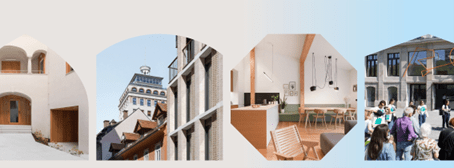
The Open Houses of Slovenia (OHS) festival, which offers free tours of great architecture and spatial planning to the general public, will take place this year from Friday, 11 April to Sunday, 13 April 2025.
OHS is part of the international Open House Worldwide network, which takes place by organising guided tours and excursions to selected buildings in Slovenia and abroad, starting from the Slovenian Contemporary Architecture web portal, where the interested public can learn directly about the highest quality architectural and landscape designs, as well as their designers, contractors, investors and users.
In addition to the unique direct experience of experiencing interesting and innovative architectural creations, the festival also aims to exchange practical experience, enhance spatial culture and foster personal and business networking.
The Open House Festival of Slovenia will take place for the 16th time in 2025. It will provide the general public with free access to the most modern Slovenian architectural projects and other important cultural heritage projects. The tours offer visitors a personal experience in architecture and reveal stories about the process of design, construction/renovation and use of the buildings.
All proposed or submitted projects will be reviewed in advance by the OHS jury and assessed for their suitability for presentation at the Architecture Festival. Approved projects are automatically included in the Slovenian Architecture Collection on the OHS online platform.
How are the tours at the festival organised?
- After the jury's approval, the project is included in the festival programme, which is published about one month before the festival.
- Up to 3 viewing appointments per project or by arrangement with the owner and the author.
- Each tour lasts about 45 minutes. There are 20 - 45 visitors per group.
- Applications for tours of projects and external developments open 10 days before the OHS Festival. Visitor registration is compulsory. The festival event is insured.
- At least one OHS team member is present at each tour to ensure that the event runs smoothly and to guide visitors.
- The team is made up of around 50 volunteers who work hard to make everything run smoothly and make visitors, architects and owners feel great.
Source: https://odprtehiseslovenije.org/zbirka/
Prepared by: dr. Doris Dekleva Smrekar, univ. dipl. Ing. arh.,
information specialist in architecture, urban planning and design

fb/OHSopenhouseslovenia
News from CTK
CTK in the media: student-friendly but with limited capacity
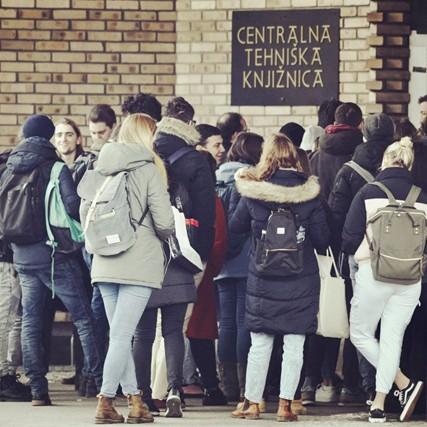
The Central Technical Library (CTK) has been frequently mentioned in the media recently as one of the few libraries in Ljubljana that allows students to study in the evenings and at weekends. During the exam period, there are long queues outside our library, as we are one of the few facilities that remains open late into the night. The demand for reading places far exceeds the available capacity, which shows the great need for additional study spaces in the capital.
We understand the importance of a friendly and accessible study environment, and we are working to improve it - both by ensuring optimal conditions in existing reading rooms and by planning new ones for the future. Nevertheless, problems of space constraints remain.
Perhaps one possible solution would be for faculties to temporarily dedicate some of their lecture rooms to teaching during exam periods. This would give students more opportunities to prepare well for exams and allow the university to make better use of the existing facilities for the benefit of the academic community.
CTK remains a reliable partner for students and educational institutions - not only through its accessibility, but also through its vision of improvements for the future.
Find out more:
- Hot Microphone - Val 202
- 24ur.com: not enough places in reading rooms
- RTVSLO: ŠOU in Ljubljana to expand reading room capacity
- Ljubljanainfo: Study corners in Ljubljana
Prepared by Sonja Zagorc Kontić, univ. dipl. Electrical Eng,
inf. spec. in electrical and computer engineering
News from UL
Collecting texts for the Slovenian Chat GPT
The Centre for Language Resources and Technologies at UL is building a large generative language model called GaMS, which is similar to the Chat GPT model and designed specifically for Slovenian.
To make it work effectively, they are organising a collection campaign of texts in Slovene. They are collecting texts of all kinds, such as notes, emails, blog posts, social media posts, articles and reports. It doesn't matter whether the texts are standard or non-standard, proofread or unproofread. Texts are collected on the website Povejmo.si
Source: University of Ljubljana (accessed 18 February 2025)
Prepared by Mojca Kosem Avsec, mag. Mechanical Eng.,
inf. spec. for mechanical engineering and manufacturing

New discoveries about space dust
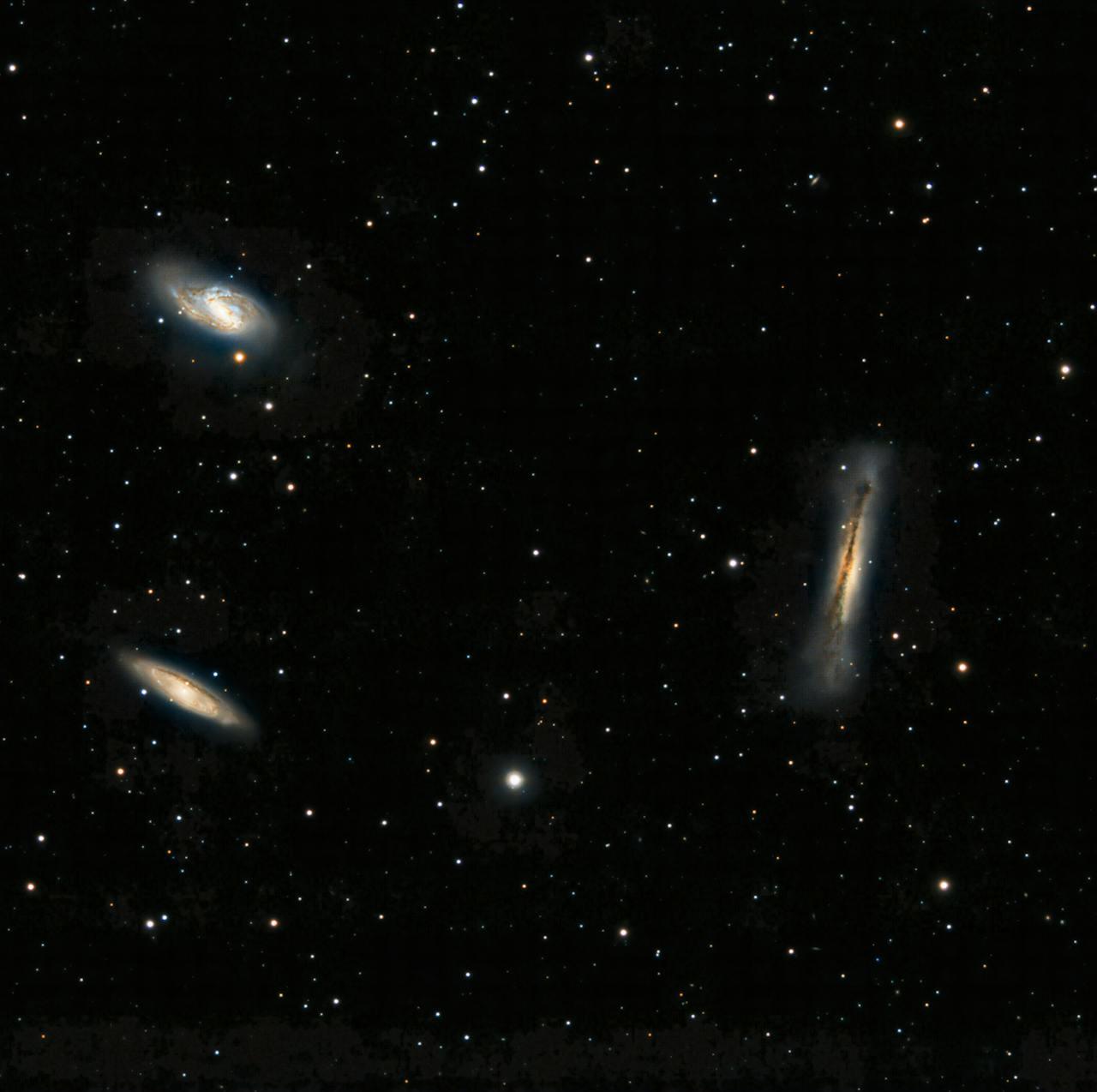
Researchers from the Faculty of Mathematics and Physics at the University of Ljubljana, together with international experts, have made a groundbreaking discovery about the evolution of the properties of cosmic dust in galaxies of the early Universe, based on data from the James Webb Space Telescope. The study reveals, among other things, the key role of early supernovae in its formation.
Space dust is made up of tiny solid particles and is the fundamental building block of galaxies. It plays a key role in star formation, allowing clouds of molecular gas to form. Dust also absorbs, scatters and eventually re-emits the light from stars in galaxies, depending on their wavelength. This process, known as attenuation, is mathematically described by an attenuation curve that depends on the properties of the dust, such as grain size and chemical composition, and its spatial distribution relative to the stars in the galaxy.
The researchers made the discovery using data from the James Webb Space Telescope, currently the most advanced space observatory designed to study the early Universe, the formation of galaxies, stars and planets, and the search for signs of life beyond our Solar System.
Source: University of Ljubljana (accessed 18 February 2025)
Prepared by Mojca Kosem Avsec, mag. Mechanical Eng.,
inf. spec. for mechanical engineering and manufacturing
More efficient information transfer in rail transport
Europe is working to shift as much freight as possible from congested roads to rail. To achieve this, the efficient transfer of information between stakeholders is crucial, and this is the central theme of the T4RAIL IT-SI project, in which the Faculty of Maritime and Transport at the University of Ljubljana is participating. The project focuses on improving communication in the management of trains crossing borders. The aim is to analyse the use of a digital tool for translating messages in railway jargon and to update existing solutions for communication between drivers and traffic managers.
Under the current rules, drivers and transport operators need to know a cross-border language at B1 level. The project aims to facilitate communication with a tool that helps to overcome language barriers. Testing will take place at the border crossing points Villa Opicina-Sežana and Gorizia CLe-Nova Gorica.
Source: University of Ljubljana (accessed 18 February 2025)
Prepared by Mojca Kosem Avsec, mag. Mechanical Eng.,
inf. spec. for mechanical engineering and manufacturing


News about Open Science
The first training for data professionals in scientific research in Slovenia was carried out in the framework of the KNOW project
The KNOW consortium has organised a training for data professionals in autumn 2024. These are persons who will act as data stewards or related profiles of data professionals (e.g. data archivists, data librarians, data managers and data consultants) at their home organisations.
Due to the extensive content, the training was conducted in three parts, covering a total of 12 days of 6 school hours each (72 school hours in total), in September (23 September - 26 September 2024), October (14 October - 17 October 2024) and November (18 November - 21 November 2024).
Due to space constraints, in-person participation was only possible for staff of the consortium partners and representatives of other institutions interested in the content (Slovenian Agency for Scientific Research and Innovation (ARIS) and the Institute for Metal Materials and Technologies (IMT)), while all other interested parties could participate remotely, where there was no limit on the number of participants.
Last year's training was the first training of its kind for data professionals in scientific research in Slovenia, which was modelled on similar training courses abroad (e.g. Data Steward Postgraduate Course at the University of Vienna, 4TU Essentials 4 Data Support, EOSC Synergy Data Steward Training etc.).
By the start of training in September 2024, we have received 35 applications for participation live. To participate online we have received a total of 138 applications (for all three training strands). Some participants applied during the training, e.g. after the end of Sessions 1 and 2. All 138 those who registered online attended at least one lecture. After the training, we issued 86 certificates of participation in total, which was conditional on at least 80 % Presence (58 out of a total of 72 school hours).
All the lectures from last year's training are available to view at the Get to Know website. We are planning to hold the training again this autumn. We invite you to follow the MEET website oz. subscribe to our newsletterso you don't miss out on notifications about the second training and other SPOZNZNJ events.
Prepared by Magdalena Gapsa, M.Phil., Research Data Info Specialist, and Dr Tea Romih, B.Sc., Research Data Info Specialist
The project "KNOW - Support for the introduction of open science principles in Slovenia" is co-funded by the Republic of Slovenia, the Ministry of Higher Education, Science and Innovation, and the European Union. NextGenerationEU through the national Recovery and resilience plans.
Citizen Science Network News
Nine new members have joined the Citizen Science Network in the last two months:
- Agricultural Institute of Slovenia,
- Josip Vošnjak Library Slovenska Bistrica,
- Urban Planning Institute of the Republic of Slovenia,
- Cosmolab - an institute for the promotion and popularisation of astrophysics,
- Koper Science and Research Centre,
- DARIAH-SI - Digital Research Infrastructure for the Arts and Humanities,
- INZ - Institute for Contemporary History,
- NUK - National and University Library,
- GoChile.
The Citizen Science Network now includes 52 partners!
This round-up of citizen science news starts in the field of books:
- Zdravko Mlinar's new book, Social Science Research: between Professionalisation and Branching Out, has just been published. Vol. 2, Civic Science.
- Impetus4cs is looking for new and sustainable citizen science projects to support and promote in its latest call for proposals. If you are using citizen science practices in inventive ways to tackle societal challenges, the IMPETUS project will be happy to work with your initiatives.
- In this call for proposals, IMPETUS is looking for citizen science projects for the IMPETUS Accelerator and the European Union Prize for Citizen Science. The call runs from 7 January to 10 March for the European Union Prize for Citizen Science and until 13 March for the IMPETUS Accelerator.
- The Centre for Language Resources and Technologies at the University of Ljubljana (UL) in the framework of the project PoVeJMo develop a large language model for the Slovene language, called GaMS. To develop it, they need texts of 40 billion words, so they have organised a national collection campaign of written and spoken texts in Slovene. They are currently 30.8 billion short of their target.
- Čmrljica Association again this year within the project Pru čmru collects data on bumblebee queens.
- You are invited to help find them and report your observations via the app. The campaign runs until the end of April.
- Good Path Institute has developed an innovative app Memory recordsconnecting generations through storytelling about the past. The app, which has been awarded a prestigious prize by the Council of Europe, allows the memories of the elderly to be recorded and shared with the younger generation. You can take part too! Install the app and contribute your story.
- Dopps organises a Bird Song Identification Course on 5 March at 6 pm at the Faculty of Natural Sciences and Mathematics in Maribor (Koroška cesta 160).
- The Institute of Contemporary History is organising a workshop on Updating the database on Deaths in the population of the Republic of Slovenia during and immediately after the Second World War. The workshop will take place on 6 February at the Institute of Contemporary History (Privoz 11, Ljubljana). You can register until 4 February 2025 (12.00) by e-mail to Tamara.Logar@inz.si
- The Franck Bevko Library in Gorizia has published an overview table of seed stocks from the project: https://zalogasemen.ekoapps.si/
Source: citizenscience.si
Prepared by: Andreja V. Iskrić

Slovenian and international calls for funding for citizen science and its promotion
Current calls for tenders
IMPETUS OPEN CALL for Citizen Science Projects 2025
Call publication: 7 January 2025
Closing date: 10 March 2025 23:59
IMPETUS is looking for new and sustainable citizen science projects to support and promote in its latest call for proposals. If you are using citizen science practices in inventive ways to tackle societal challenges, IMPETUS will be happy to work with your initiatives.
In this call for proposals, IMPETUS is looking for citizen science projects for two exciting opportunities, the IMPETUS Accelerator and the European Union Prize for Citizen Science. The call will run from 7 January to 10 March for the European Union Prize for Citizen Science and on 13 March for the IMPETUS Accelerator.
- IMPETUS ACCELERATOR includes a one-week bootcamp, online mentoring and training, peer learning, networking and promotion opportunities, and financial support of €20,000 (for initial projects) or €10,000 (for ongoing projects).
- The EUROPEAN UNION PRIZE FOR CITIZEN SCIENCE is made up of three main prizes. A main prize of €60,000 and two additional prizes for projects that best demonstrate how citizen science can be used to promote diversity and collaboration and digital communities; both prizes will be awarded for €20,000.
Past calls for tenders
- 4th REINFORCING Open Call - (year: 30.1.2025)
- Call for proposals for the (co)financing of citizen science activities in 2024 (funding in 2025 and 2026) - (deadline: 29 January 2025)
Find out more about the calls on the website: citizenscience.si

Take part in bumblebee queen monitoring in 2025
In spring 2024, the Bumblebee Society launched a citizen science campaign to collect data on sightings of Pru čmru bumblebee queens. The campaign is running again this year until the end of April 2025.
You can take part in the campaign by reporting when and where you saw queen bumblebees in spring (not just the first ones) and on which plants.
Source: oprasevalci.si
Prepared by: citizenscience.si

Book launch on citizen science
The Slovenian Academy of Sciences and Arts cordially invites you to the presentation of a new book by the author akad. Zdravko Mlinar entitled Social Science Research between Professionalization and Branching Out (Volume 2): Civic Science.
The presentation took place in Thursday 23 January 2025, 11:00 at the SAZU Hall, 3 Novem trg Street, Ljubljana.
Find out more: sazu.si
Prepared by: citizenscience.si

Skills development for open science: insights from the OpenAIRE network of National Open Access Points
OpenAIRE has published a report based on discussions and presentations by National Open Access Points (NOADs), which provides insights into different approaches to training for Open Science implementation across Europe.
The report highlights the challenges and opportunities in tackling the fragmentation of training and stresses the importance of coordinated skills development for the implementation of open science. The full report is available on the Zenodo platform, where you will also find Annexes.
Source: openknowledge.si
Prepared by Darko Majcenović, univ. dipl. bibl.

SSOZ strengthens its work by appointing a Council of Experts and expanding its expert bodies
On 31 January 2025, the Slovenian Society for Open Science (SSOZ) held its 7th Assembly meeting at a hybrid meeting at the University of Ljubljana and via Zoom.
The meeting appointed the SSOZ Expert Council, which will be composed of Maja Bogataj Jančič (IPI, FROM), Mojca Kotar (UL), Dunja Legat (UM UKM), Andrej Pančur (INZ), Aleš Pogačnik (ZRC Publishing House), Miro Pušnik (CTK) and Irena Vipavc Brvar (ADPThese are experts whose work in open science is well recognised and established, and who will work for the benefit of the Community.
Four new members are admitted to the SSOZ: the Institute of Contemporary History (INZ), the Digital Research Infrastructure for Arts and Humanities (DARIAH-SI), Faculty of Industrial Engineering Novo mesto (FINI NM) and the National Agency for Quality in Higher Education (NACVIS).
Two new expert bodies have been created. The expert body for the revision of the SSOZ Rules will be chaired by Jerneja Fridl (ZRC SAZU), and the Expert Body on Legal Issues related to Copyright and Data Handling will be chaired by Maja Bogataj Jančič (IPI, ODIPI).
The SSOZ will contribute its expertise on the infrastructure needs of researchers by participating in the Arnes Expert Council, where it will represent the research community (Milan Ojsteršek (LHRS FERI UM) and the President of SSOZ, Ana Slavec.
An important step in international cooperation is the launch of the cooperation between the SSOZ and the UNESCO Office in the monitoring of the implementation of the UNESCO Recommendations for Open Science in Slovenia.
Find out more: openknowledge.si
Prepared by Darko Majcenović, univ. dipl. bibl.
Patlib
Change in design protection legislation
The European Union Intellectual Property Office (EUIPO) announces a change in the European Union's design protection legislation. The reform increases legal certainty, reduces complexity and widens the availability of design rights, which will be of great benefit to creators and businesses across Europe.
EU design applications can no longer be filed through national offices. All applications must now be filed directly with the EUIPO, simplifying the process and reducing complexity.
The definition of "design" has been extended to animation, which is a much broader concept that also includes movement. The definition of "product" has been changed to explicitly include non-physical objects, user interfaces, (virtual) spaces, models ready for 3D printing, etc.
The change is also in the direction of increasing the visibility of protected designs. Design holders will be able to use the Ⓓ symbol on their product, packaging or advertising. The reform will be gradual, including changes to fee prices and other matters.
Source: European Union Intellectual Property Office (accessed 18 February 2025)
Prepared by Mojca Kosem Avsec, mag. Mechanical Eng.,
inf. spec. for mechanical engineering and manufacturing

New EUIPO call for SMEs
The European Union Intellectual Property Office (EUIPO) has launched a call for proposals to help small and medium-sized enterprises in the field of intellectual property in 2025.
Companies first apply for the relevant voucher and, once the Office has granted the aid (voucher), they then apply for the desired form of IP protection. The Office will co-finance services up to a certain value, up to a maximum of the fees for obtaining a European patent. Although the vouchers for patents have already been sent out, the EUIPO assures that some of the funds will be released during the year.
The application form for the 2025 Fund can be accessed via the following link: https://euipo.europa.eu/sme-fund-2025/user/login?destination=/sme-fund-2025/.
Source: Intellectual Property Office of the Republic of Slovenia (accessed 18 February 2025)
Prepared by Mojca Kosem Avsec, mag. Mechanical Eng.,
inf. spec. for mechanical engineering and manufacturing

New tools to help Slovenian innovators and entrepreneurs
At a well-attended February event at BTC, representatives of the Slovenian Intellectual Property Office and the World Intellectual Property Organisation presented two new tools that will help start-ups and small and medium-sized enterprises in the strategic management of intellectual property rights. The two tools have been translated into Slovenian and are available here:
- Entrepreneurial ideas: a guide to intellectual property for start-ups
- WIPO Intellectual Property Diagnostic Tool
Source: Intellectual Property Office of the Republic of Slovenia (accessed 17 February 2025)
Prepared by Mojca Kosem Avsec, mag. Mechanical Eng.,
inf. spec. for mechanical engineering and manufacturing
Econovice
Polar bear population declines due to lack of food
Researchers have directly linked the decline in the population of polar bears living in western Hudson Bay to the shrinking sea ice caused by climate change.
Researchers have developed a model that concludes that the population decline is due to bears not getting enough energy from food, due to a shorter hunting season on a shrinking area of sea ice.
This has a negative impact on the energy balance of bears, leading to reduced reproduction, cub survival and ultimately to population declines.
The polar bear population in the region has declined by almost 50%. Data show that the average size of polar bears is also decreasing. The body mass of adult females has decreased by 39 kg over 37 years, and that of yearlings by 26 kg.
Source: University of Toronto, 30 January 2025
Find out more: science.org
Prepared by: dr. Tjaša Urbič, univ. dipl. chem..,
inf. spec. in chemistry and natural sciences

Air pollution levels can be higher inside your home than outside
People can be exposed to unhealthy levels of air pollutants in their homes, even if the ambient air quality is good.
Researchers at the University of Birmingham spent two weeks measuring air pollution in three homes using low-cost sensors and an innovative technique to compare particulate matter (PM). They found that pollution levels in all three houses were higher and more variable than outdoor air pollution levels.
They found significant differences in PM levels between the three houses, with one home exceeding the World Health Organisation (WHO) 24-hour limit for PM2.5 on nine days, making indoor air quality monitoring all the more important.
The study shows that indoor air pollution needs to be monitored, as people can have unhealthy air at home even if the outside air is good.
Source: University of Birmingham, 13 February 2025
Find out more: nature.com
Prepared by: dr. Tjaša Urbič, univ. dipl. chem..,
inf. spec. in chemistry and natural sciences

Extracting oil and natural gas from under glaciers is a hidden source of Arctic greenhouse gas emissions
Arctic glaciers leak significant amounts of methane, a potent greenhouse gas. The resulting rivers and groundwater springs carry large amounts of methane from under the ice into the atmosphere, accelerating global warming.
Methane emissions from Arctic wetlands, permafrost and geological seepage are well known. However, the role of glacial meltwater in methane mobilisation has so far been largely overlooked.
The researchers focused on Vallåkrabreen, a small valley glacier in central Svalbard, where they measured methane levels in groundwater springs and in rivers draining from the glacier.
Their results have been stunning. They found that methane concentrations in the rivers of the melted glacier were up to 800 times higher than atmospheric equilibrium levels.
This methane was not produced by microbial activity under the ice, as previously thought, but came from thermogenic sources, i.e. methane trapped for millions of years in ancient geological formations.
Source: UiT The Arctic University of Norway, 19 February 2025
Find out more: en.copernicus.org
Prepared by: dr. Tjaša Urbič, univ. dipl. chem..,
inf. spec. in chemistry and natural sciences

Book novelties
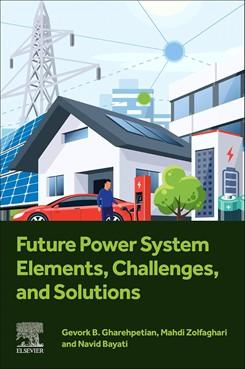
Future Power System Elements, Challenges, and Solutions
Author: Gharehpetian, Gevork B. ; Zolfaghari, Mahdi ; Bayati, Navid
Scope: electrical engineering, power engineering
Content: Book Future Power System Elements, Challenges, and Solutions is a comprehensive handbook that offers a thorough treatment of the key challenges facing energy systems in the future. It is aimed at researchers, engineers and students who wish to gain both basic and advanced knowledge of the design, implementation and analysis of modern energy networks. The authors focus on examining the history, policies and long-term requirements for a sustainable energy system, allowing readers to undertake an in-depth analysis of current problems in energy distribution, generation and transmission.
The book provides a comprehensive overview of modern technologies, including distributed generation, fuel cell technologies, advanced transmission systems such as HVDC and FACTS devices, and distribution solutions such as microgrids and electricity storage solutions. By introducing these core areas, the book is designed to help readers develop their own solutions to the current challenges facing the energy industry.
For each segment, the book provides a detailed analysis and presentation of possible solutions, giving readers the skills to develop strategies to improve existing systems and meet the challenges of the future. At the end of each chapter, questions and exercises are included to reinforce understanding of the material and to enable practical application of the knowledge gained.
Recommendation: This work is an excellent choice for anyone who wants to deepen their knowledge of the future of energy systems and design solutions that will shape the energy infrastructure of the future.
Information Specialist: Sonja Zagorc Kontić, univ. dipl. Eng. in Electrical Engineering,
inf. spec. in electrical and computer engineering
Quantum Physics For Dummies
AuthorAndrew Zimmerman Jones
Scope: quantum physics, particle physics
Content: Understanding quantum physics is no easy feat. But with Quantum Physics for Dummies, you can quickly master it.Learn key concepts and fascinating facts. Packed with invaluable explanations, equations and instructions, this book makes a complex subject much more accessible. Perfect for students taking a quantum physics course, Quantum Physics for Dummies offers complete coverage of the field, along with many examples to help you tackle difficult problems. Schrodinger's equation, the foundations of quantum physics, vector notation, scattering theory, angular momentum - it's all in there. This handy guide will help you prepare for your exams and learn quantum physics successfully.
Recommendation: for students, researchers and other science enthusiasts
Information Specialist: dr. Tjaša Urbič, univ. dipl. chem..,
inf. spec. in chemistry and natural sciences

How Biology Works
Author: DK
Scope: life sciences, biology
Content: Discover everything you need to know about biology with the simplest, most visual guide to the life sciences. It's packed with clear, easy-to-understand graphics and fascinating facts.
How do vaccines work? What is special about stem cells? How did we evolve? And much more. The science of life can be dauntingly complex and it can be hard to tell right from wrong, especially as we are constantly bombarded by the media with often unverified facts. This book will make it much easier for you to re-evaluate the information you hear, whether willingly or unwillingly.
Recommendation: for students, researchers and other science enthusiasts
Information Specialist: dr. Tjaša Urbič, univ. dipl. chem..,
inf. spec. in chemistry and natural sciences

Publisher: Central Technical Library of the University of Ljubljana, Trg republike 3, 1000 Ljubljana
Editor: Dr Tjaša Urbič (tjasa.urbic@ctk.uni-lj.si)
Technical EditorDarko Majcenovic (darko.majcenovic@ctk.uni-lj.si)
ISSN: 2820-445X
E-bulletin CTK is the newsletter of the Central Technical Library of the University of Ljubljana.
If you would like to share interesting information about your work on the CTK E-bulletin with others, please send it to us. Please address your contributions to the e-bulletin editor (tjasa.urbic@ctk.uni-lj.si).
